Tiny Wine Is an Award-Winning Ninebark for Smaller Spaces
Tiny Wine ninebark is a classic introduction that suits small gardens. Dark leaves and plentiful spring flowers grace its short stems.
Ninebark is a low-maintenance, pollinator-friendly North American native shrub that’s garnered attention from plant breeders over recent years, resulting in a number of colorful selections on the market. Tiny Wine is an older introduction that has earned popularity for its dark foliage and compact size. This small shrub was recognized with a Theodore Klein Plant Award in 2025.
Common name: Tiny Wine ninebark
Botanical name: Physocarpus opulifolius Tiny Wine (‘SMPOTW’)
Origin: The species Physocarpus opulifolius is a deciduous shrub at home across central and eastern North America, where it occupies stream banks, rocky hills and wood edges. Tiny Wine is an introduction from Proven Winners ColorChoice that was released in the early 2010s.
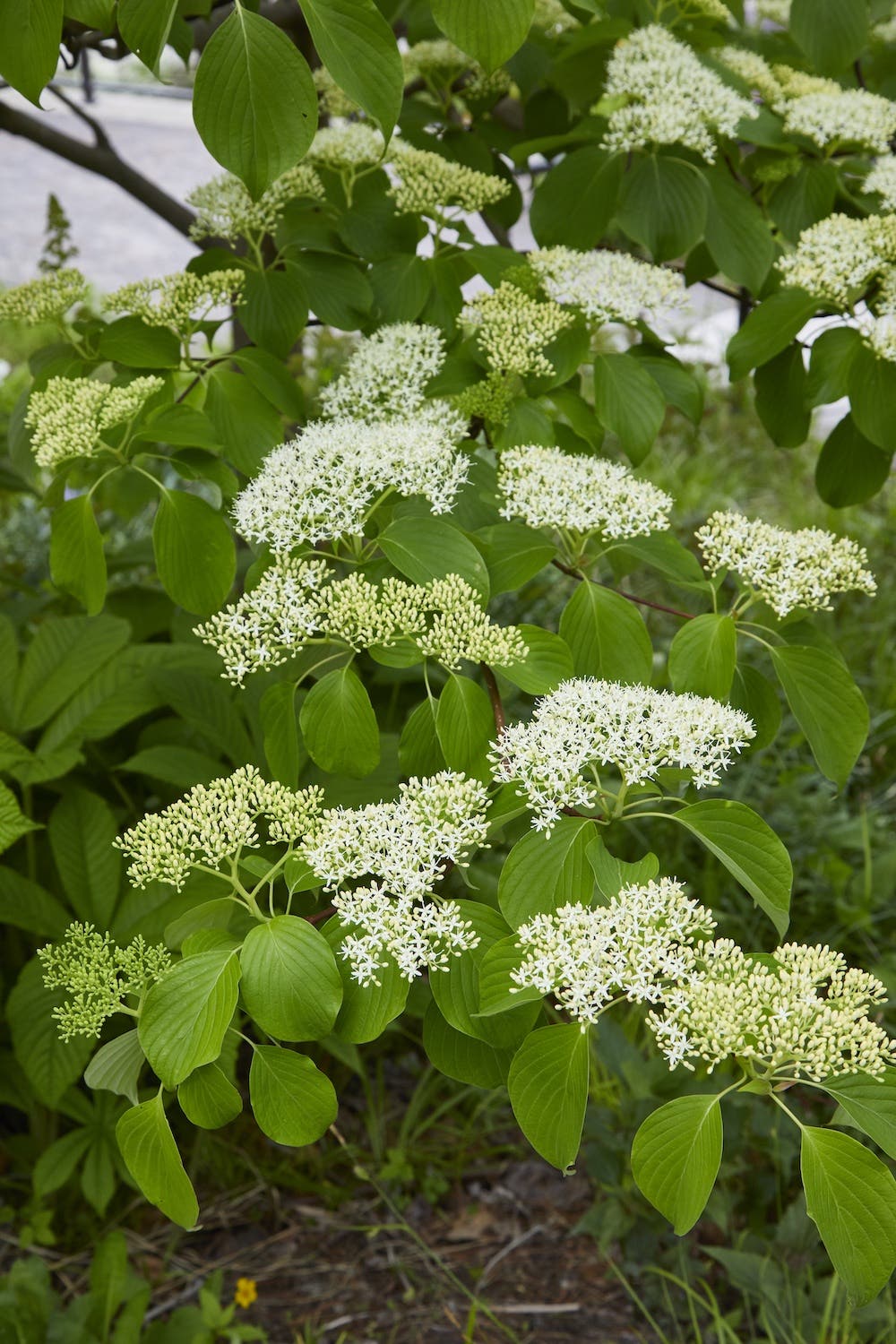
Flowers: Small pale pink flowers open from darker pink buds held in rounded clusters all along the branches. As they age, the flowers brighten to white. Pollinators visit ninebark flowers and the ensuing reddish seed capsules feed birds.
Foliage: While straight species ninebark has green maple-like foliage, Tiny Wine's leaves are dark purple to deep bronze throughout the growing season.
Related: Find ninebark companion ideas in "Bold Foliage Plants for Creating Colorful Garden Combinations."
Size and habit: This deciduous shrub reaches three to five feet tall and three to four feet wide, less than half the typical size of the species. It has a natural vase shape formed by its upright to arching stems. Ninebarks have exfoliating bark that offers some winter appeal. This trait inspired its common name.
Related: For another compact ninebark but with redder foliage, check out Spicy Devil, or for chartreuse leaves see Raspberry Lemonade ninebark.
Growing Tiny Wine ninebark
Exposure: Full sun to part shade
How to grow it: Like all ninebarks, Tiny Wine prefers full sun to part shade; afternoon shade is beneficial in hot climates. It does best with good drainage, but it adapts to a range of soils and different moisture levels, and once established it tolerates drought.
This cultivar’s size means it should not need pruning—a task that's not advised for ninebarks because it tends to ruin the naturally elegant fountain-like form. If you feel you must prune a ninebark, cut a just cut it back hard (to the ground) in early spring. Do this to about a third of the stems to refresh the plant, or to all of the stems for a complete renewal. This pruning can be done to correct past pruning mishaps or to control the size of a larger cultivar or the straight species. It will prevent that year’s bloom, as the old growth holds the flower buds.
Tiny Wine is hardy across USDA Zones 3 through 7; if kept in an outdoor container year-round, it needs Zone 5 or warmer.