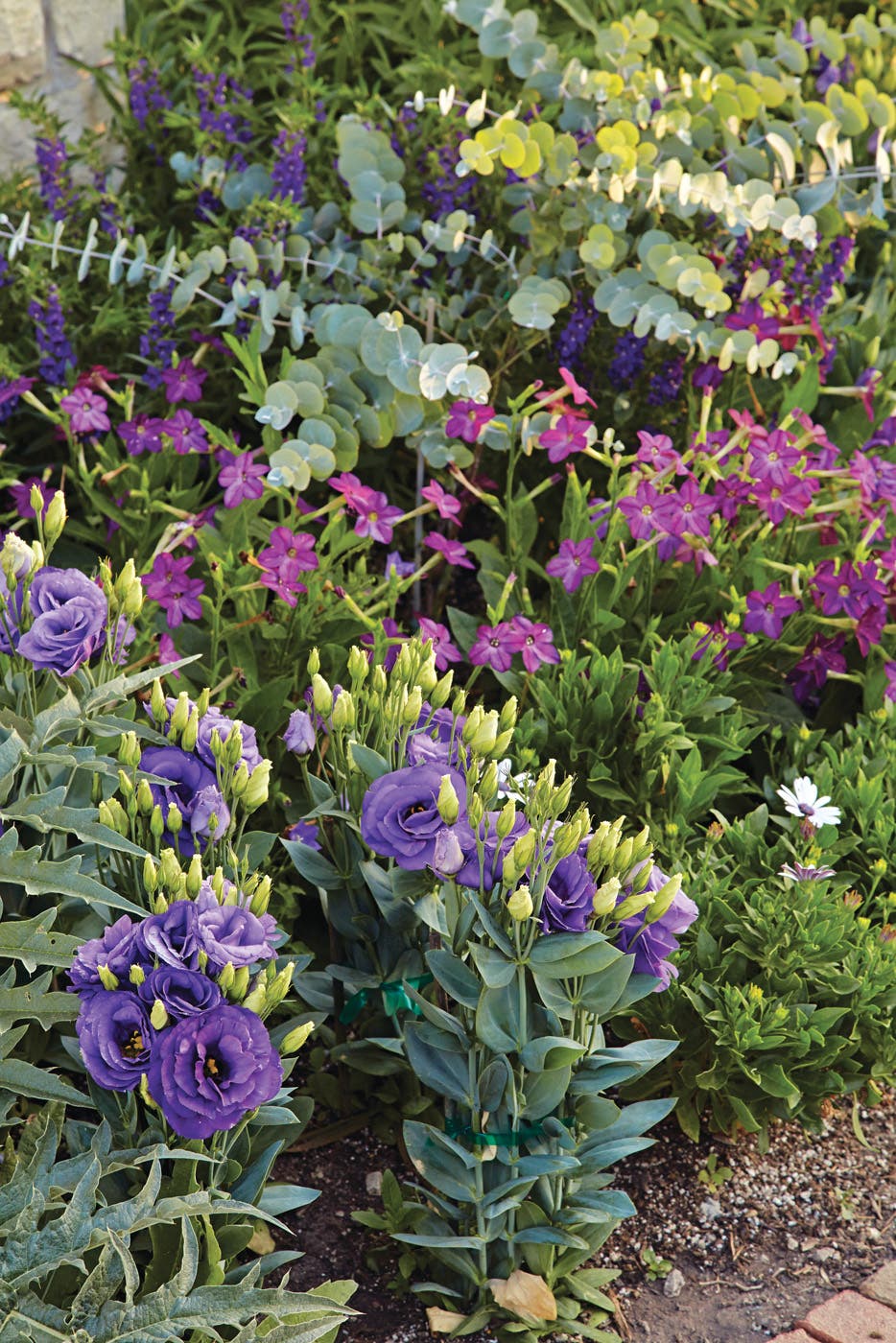
Tropical Fusion: How to Use Nonhardy Plants in Temperate Gardens
Here’s how to incorporate bananas, cannas, dahlias and other tropical or tender plants into a northern garden without too much fuss
Tropical and subtropical plants can enhance the temperate garden, providing it with unexpected, engaging elements. Think of it as a gentle tropical fusion, in which the modern gardener can use key plants to inject excitement throughout the growing season—while avoiding too much fuss at the end of the season, when nonhardy plants need winter storage.
Why grow tropical plants in temperate zones?
To a certain extent, we all design with plants native to the tropics and subtropics—plants like coleus, begonia or dahlia. They have taken their place as seasonal fodder, just as hundreds of tempting tropical foliage plants are snatched up to provide alluring accents inside the home.
Move beyond that into Colocasia, Curcuma or Ensete, however, and a line is suddenly drawn in the minds of temperate gardeners. We are hesitant to add plants to the garden that we collectively but unconsciously recognize as “tropical” lest we disturb the genius loci of our own unique space.
Reasons to grow more tropical plants
I experienced that hesitancy for years, but I became increasingly enchanted by the unique properties tropical plants can add to a temperate landscape. Here’s why gardeners should push past their fears:
- Energy—these plants respond to heat and humidity.
- Surprise—they add unusual elements to the garden.
- Privacy—they create a sense of enclosure, fast.
- Atmosphere—tropicals enhance water features and seating areas.
- Vigor—they provide body to a young garden.
- Décor—many double as resilient winter houseplants.
- Taste—they heighten creativity in the kitchen.
Using tropical plants in garden design
Used strategically, with an eye toward the synergistic pairing of tropical and temperate elements, tropical and subtropical plants give a sense of abundance to a garden. This is particularly true during the more difficult days of high summer, when their responsive energy can be harnessed to carry a space seamlessly through to autumn. In that season, they provide a backdrop for berrying shrubs and the russeting of temperate foliage.
I like to take a punch/soften approach—engaging the eye with unusual, unexpected elements, like the large, variegated leaves of an elephant’s ear like Colocasia ‘Morning Dew’; and then tempering the scene with something gentle, such as the wiry stems and floating white blossoms of Cosmos ‘Purity’, grown as an annual.
Combine with perennials for a look of tropical fusion
Strong, feathery grasses are a terrific enabler in temperate/tropical fusion, as are shrubby perennials that effortlessly block often-awkward tropical legs. Hardy Amsonia hubrichtii or a midsize Hydrangea paniculata do that job well, for example.
If the gardener is anxious to “mature” a young garden quickly, there is no better ally than an assortment of tropical and subtropical plants that will fill the space in months. As the temperate collection grows, the tropicals will recede—maintaining a smaller presence with the occasional punch of energy between deeper temperate breaths.
What to do with tropical plants in winter?
Winter storage of tropical plants is often the most pressing concern for temperate gardeners. But greenhouses are not necessary if you are primarily working with accent plants grown as annuals or with genera that easily go to bed in bags and/or pots in a dark, frost-free location, such as a basement, garage or attic. Old towels can be used to wrap the roots or rhizomes of precious specimens, serving as a humidity regulator and insurance policy.
- Genera such as Colocasia, Musa, Ensete, Canna, Dahlia, Cissus and Curcuma will happily accept very limited interaction with the gardener during those cold months. Not all tender plants can handle this kind of neglect, but the list of those that can is long.
- Chosen carefully for lower light and humidity requirements, many bold-foliaged tropical plants can double their duty—and return on investment—by providing restful, strong accents within the winter home and out in the summer garden.
- Keep your collection small but smart—using strong, versatile specimens to energize indoor corners and outdoor porches without requiring excessive fall and spring migrations.
Overwinter tender plants
Safest practices usually advise gardeners to dig and store their tender plants before fall’s first frost, but many plants heading to dark, dormant storage, such as Colocasia, Canna or Ensete, can be allowed to frost once or twice, which encourages dormancy.
Late spring usually brings the heat that gets the tropical show going, and laid-back tropical-fusion gardeners will often wait until the frost is long behind them to pull Canna, Colocasia, Begonia and others out of the basement.
But an earlier show is possible by potting up divisions or lightly watering and fertilizing existing pots to go into cold frames much earlier in the spring. As long as they are protected from extended freezes, this gives them the warmth they need to form new roots and begin the new season.
Harden off houseplants in spring
Houseplants will need some transition time in shady outdoor spots when freezing temperatures are no longer a threat and night temperatures remain reliably over 50 degrees (F). Gradually introduce them to the conditions that they will enjoy for a long summer vacation.