Native Plants, Reimagined: The Rise of Nativars
Garden-ready cultivars of native plants can balance the needs of gardeners and wildlife
Long overlooked by the nursery industry, in recent years native plants have become stars for the home garden. They are prized for their resilience in local soils and climate and their unmatched value for wildlife, from fungi to butterflies to birds.
American native species are typically defined as those occurring within a region before European settlement. They perform best when matched to their home ecoregion. A native plant may be the straight species, a variety that occurred naturally or an intentionally bred cultivar, often called a nativar.
Nativars are garden-ready cultivars of native plants
Because straight species aren’t always suited to home landscapes, today’s breeders are introducing garden-ready native varieties and cultivars with tidier habits, longer-lasting blooms or showier flowers and foliage. But as natives move from conservation to the mainstream, how can we maintain ecological integrity while bolstering beauty and performance?
Why native plants now?
“Native plants are the foundation of healthy ecosystems,” says Krista De Cooke, Strategic Partnership and Science Lead at Homegrown National Park. Initiated by entomologist Doug Tallamy, it’s a movement encouraging people to increase biodiversity by planting more natives and removing invasive plants in their own properties and community spaces.
“They evolved alongside local insects, birds and other wildlife, forming the food webs that sustain life,” De Cooke explains. In addition, natives filter and manage stormwater, thrive without fertilizers or pesticides and improve our connection to nature.
Support local wildlife
“As we invite nature back into our neighborhoods, we gain something too: more songbirds, more butterflies, more life outside our windows,” De Cook says. “Research shows that time spent in nature improves mood and mental health, so in many ways, native gardening is good for our well-being as much as it is for the environment.”
Straight species are a good choice for wildlife-friendly gardens, but the nativars being introduced from plant breeders can play a role, too—especially those selected for a more compact size or specific habit, two details that make them easier to incorporate into any garden.
Related Article: How Native Plants Support Wildlife
1. Incrediball Storm Proof, a cultivar of smooth hydrangea, was bred for strong stems. 2. ‘Pink Pearl’, a hybrid agastache from Terra Nova Nurseries, is notably dense in both habit and bloom. 3. At four feet tall, Gatsby Glow Ball is an easy-to-fit oakleaf hydrangea. 4. Kintzley’s Ghost honeysuckle needed no breeding; it is a natural variety. Photos: 1., 3. and 4. Courtesy of Proven Winners. 2. Courtesy of Terra Nova Nurseries, Inc.
The new natives
In a 2025 survey by Nursery Management magazine, 82 percent of responding nursery professionals reported increased demand from customers for native plants. Just over half cited limited availability from their own suppliers as a big challenge in selling nativars and straight species. But growers are attempting to fill that gap.
“In our catalog of shrubs right now, over a third of them are native varieties or native cultivars,” says Natalie Carmolli, spokesperson for Proven Winners ColorChoice Shrubs. “We’re taking popular native plants and trying to boost the things that people really love about those plants.”
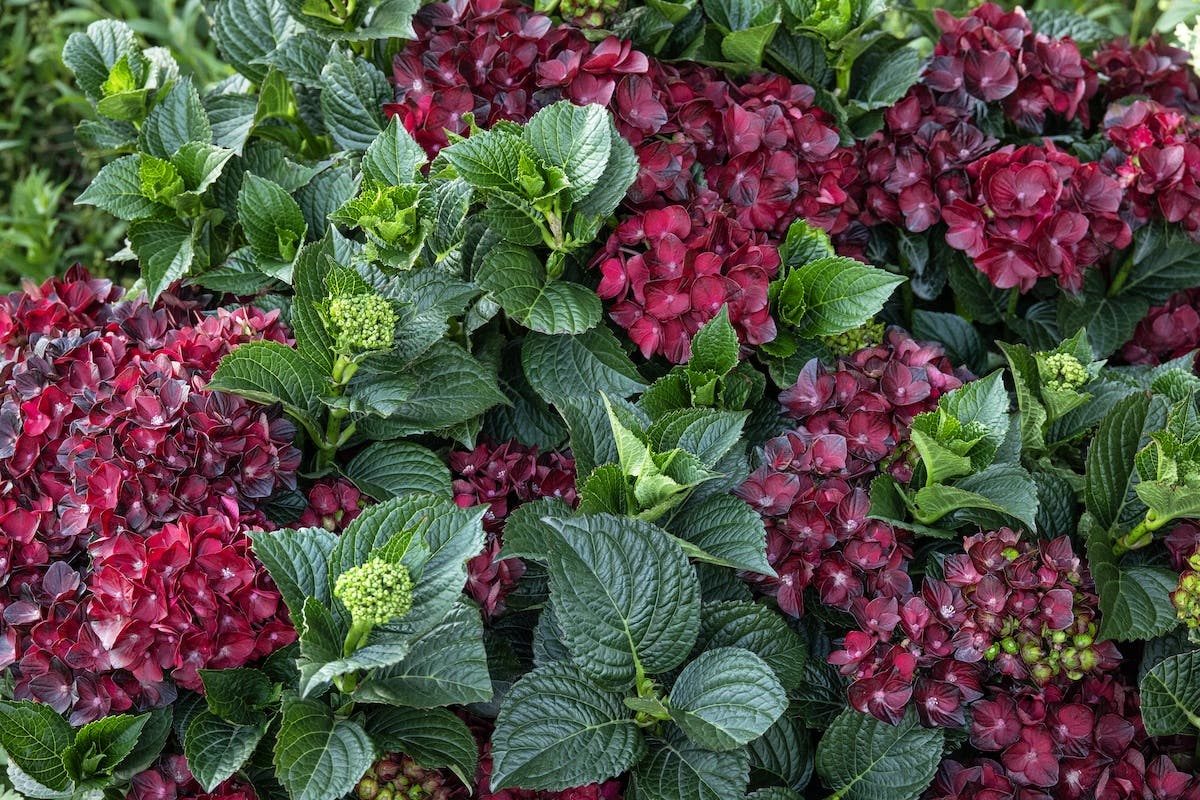
She highlights the 2026 introduction Gatsby Glow Ball (‘NCHQ1’), a four-foot-tall oakleaf hydrangea (Hydrangea quercifolia) that stays about half the size of the species, and Incrediball Storm Proof (‘SMNHAGOV’), a dense and tidy cultivar of smooth hydrangea (H. arborescens) that delivers abundant, large flowers with thick, sturdy stems.
She also points to Kintzley’s Ghost (‘P015S’), a selection of the Midwest-native honeysuckle Lonicera reticulata. It’s a naturally occurring variety that Proven Winners promotes.
“We didn’t do anything to improve it,” says Carmolli. “It was lovely the way it was.” Kintzley’s Ghost offers glaucous foliage, fragrant yellow summer flowers framed by large, powdery blue bracts and red berries on a striking six- to twelve-foot vine.
Related Article: Native Penstemons for Low-Water Gardens
Testing plant performance
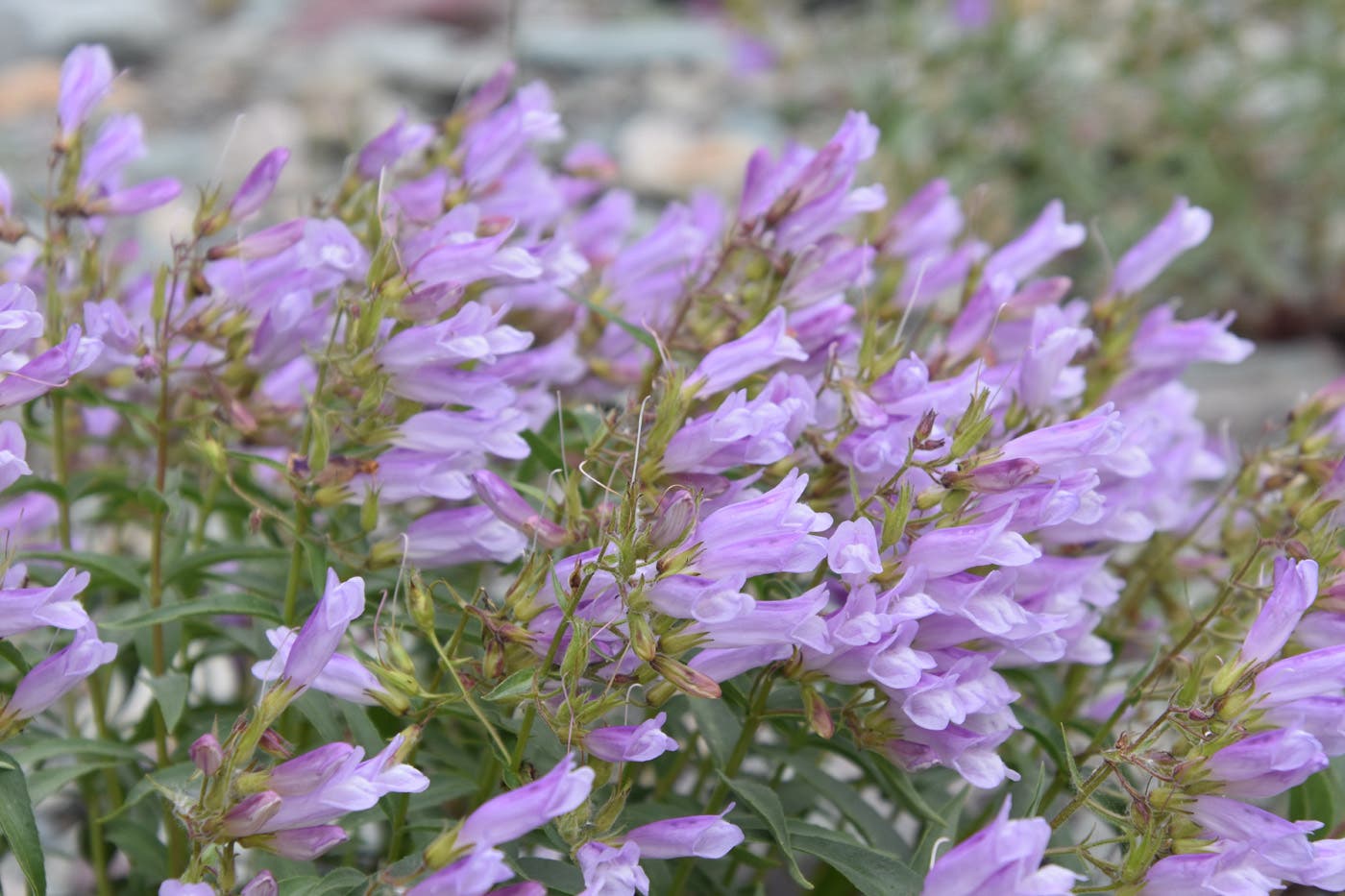
Dan Heims, owner of Terra Nova Nurseries, bred the Northern Exposure line of coral bells using Heuchera richardsonii, a species whose native range includes USDA Zone 3 Saskatchewan. Cultivars in the series have also succeeded in Florida trials, indicating wide adaptability—a bonus for gardeners coping with climate swings.
“As a hybridizer, I have a jigsaw puzzle, and I might be missing a piece—let’s say extreme hardiness—and it’s my goal as a breeder to find what plant is that missing piece,” Heims says.
Bridge the gap for pollinators with reblooming perennials
Terra Nova has also created showier or reblooming hummingbird mints (Agastache), foamflower (Tiarella), tickseeds (Coreopsis) and coneflowers (Echinacea). Heims notes that cultivars and hybrids bred for better flower power can increase pollinator value by bridging seasonal gaps in bloom.
“There’s more nectar, there’s more pollen and they rebloom,” he says, explaining that some cultivars, like Heuchera ‘Paris’, remain in bloom almost continuously, compared to the three-week window of the species.
Terra Nova’s ‘Fragrant Angel’, a classic white coneflower with prominent golden cones, topped Mt. Cuba Center’s list of pollinator attractors in its 2019 echinacea trial.
Mt. Cuba plant trials
Located in Delaware, Mt. Cuba Center conducts native-plant trials and also introduces plants to the market. The multiyear trials evaluate ornamental and ecological performance, in Mid-Atlantic conditions. They track insect visitation, bloom longevity and adaptability to guide gardeners and the nursery industry.
The native plant debate: species vs. nativars
While local ecotypes provide the strongest ecological benefits, highly bred cultivars can sometimes reduce value to pollinators, particularly when breeders select for traits that alter the plant’s flower structure or foliage color. This has sparked debate: Some experts favor only straight species, while others argue that nativars can make native gardening more approachable.
“It is very rarely all or nothing,” says Mt. Cuba’s horticultural research manager, Sam Hoadley. “It all exists on kind of the spectrum.”
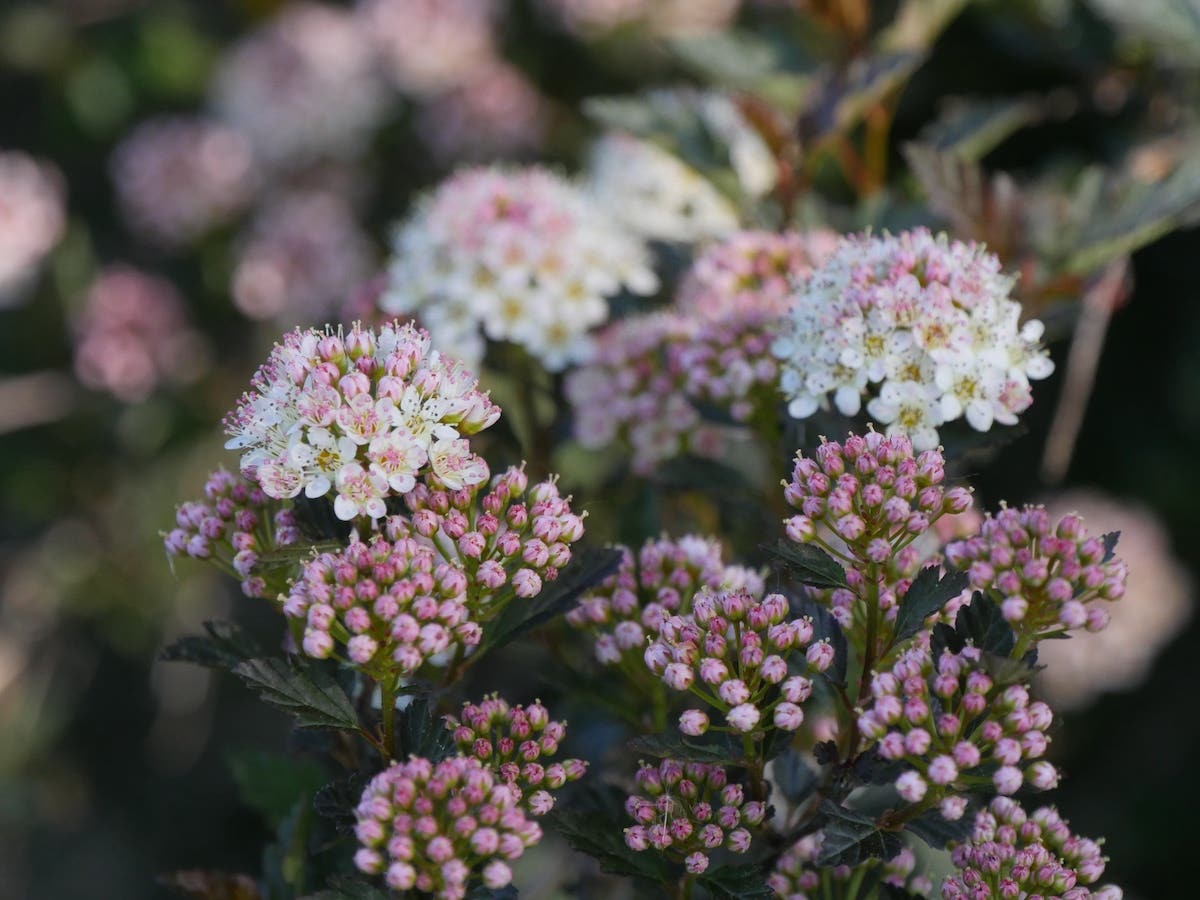
Hoadley emphasizes that straight species retain the most ecological value while highly modified cultivars with double flowers or extreme leaf colors can reduce benefits to wildlife. Dark leaves may be less palatable to insects, and double flowers can drastically reduce nectar and pollen accessibility.
“It’s about understanding the trade-offs and making informed choices,” he says, noting that cultivars may be a good on-ramp to gardening with natives, and that Homeowners’ Associations may be more likely to approve of compact, colorful nativars than straight species.
“By adding a native plant to your home landscape—no matter if it’s a species, cultivar, or hybrid—you are practicing conservation by addition,” Hoadley adds.
Recent top trial performers include the beebalm Monarda fistulosa ‘Claire Grace’, Phlox paniculata ‘Jeana’ and Solidago rugosa ‘Fireworks’, a top-selling native goldenrod. Along with ‘Fragrant Angel,’ other standout pollinator plants in the echinacea trial included ‘Pica Bella’ and ‘Sensation Pink’.
Getting started with native plants
Back at Homegrown National Park, Dr. Tallamy recommends aiming for at least 70 percent native plants. For gardeners getting started, Krista De Cooke suggests this strategy:
Add keystone plants
“Pick one native keystone plant and add it this season. Keystone plants are the backbone of ecosystems because they support the greatest number of insects, birds and other wildlife. For example, native oaks, goldenrods and asters each sustain hundreds of species.”
She encourages prioritizing regionally adapted plants that have been grown without pesticides and paying attention to which traits have been altered in cultivars.
Ask local nurseries for locally grown stock
Local natives can be hard to find, but Sam Hoadley suggests asking your favorite nursery for locally grown stock, because this can help expand regional offerings over time.
By including native plants, gardens of all sizes become vital links in the web of life. This simple shift can boost your garden’s resilience and vitality. Multiplied across millions of yards, it can restore ecosystems on a grand scale.
Related Articles:
Ecoregion 8 and Its Keystone Plants
Keystone Plants for Ecoregion 5
Get a Digital Edition of Horticulture Magazine!
Erica Browne Grivas is a gardener and journalist based in Seattle, Wash. Find her on Instagram: @ebgrivas.