Evergreen Solomon’s Seal Can Be a Shade Garden Ground Cover
Grow evergreen Solomon’s seal for its medium texture, year-round color and low but upright growth habit, all desirable qualities in the shade garden
Ground covers for shady areas are unsung heroes of the landscape, but now one has received its just rewards. Evergreen Solomon's seal (Disporopsis pernyi) is a cousin to the perhaps more familiar Polygonatum species (also known as Solomon's seals!). This plant looks quite similar to the polygonatums, but it is shorter in stature and evergreen. It was recognized in 2025 by the Theodore Klein Plant Awards program, which highlights hardworking plants that perform especially well in hot, humid summers. (The program is based in Kentucky.)
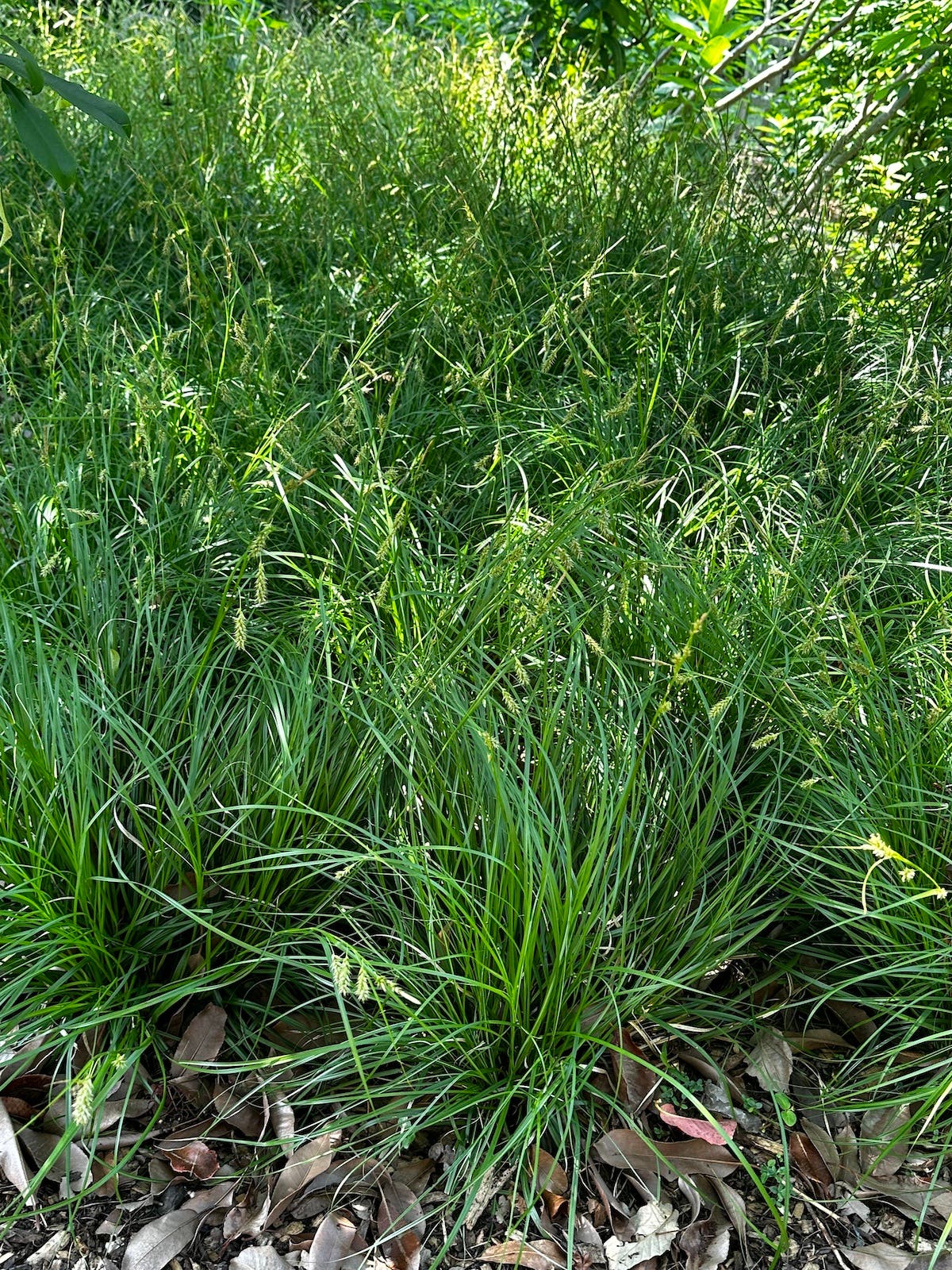
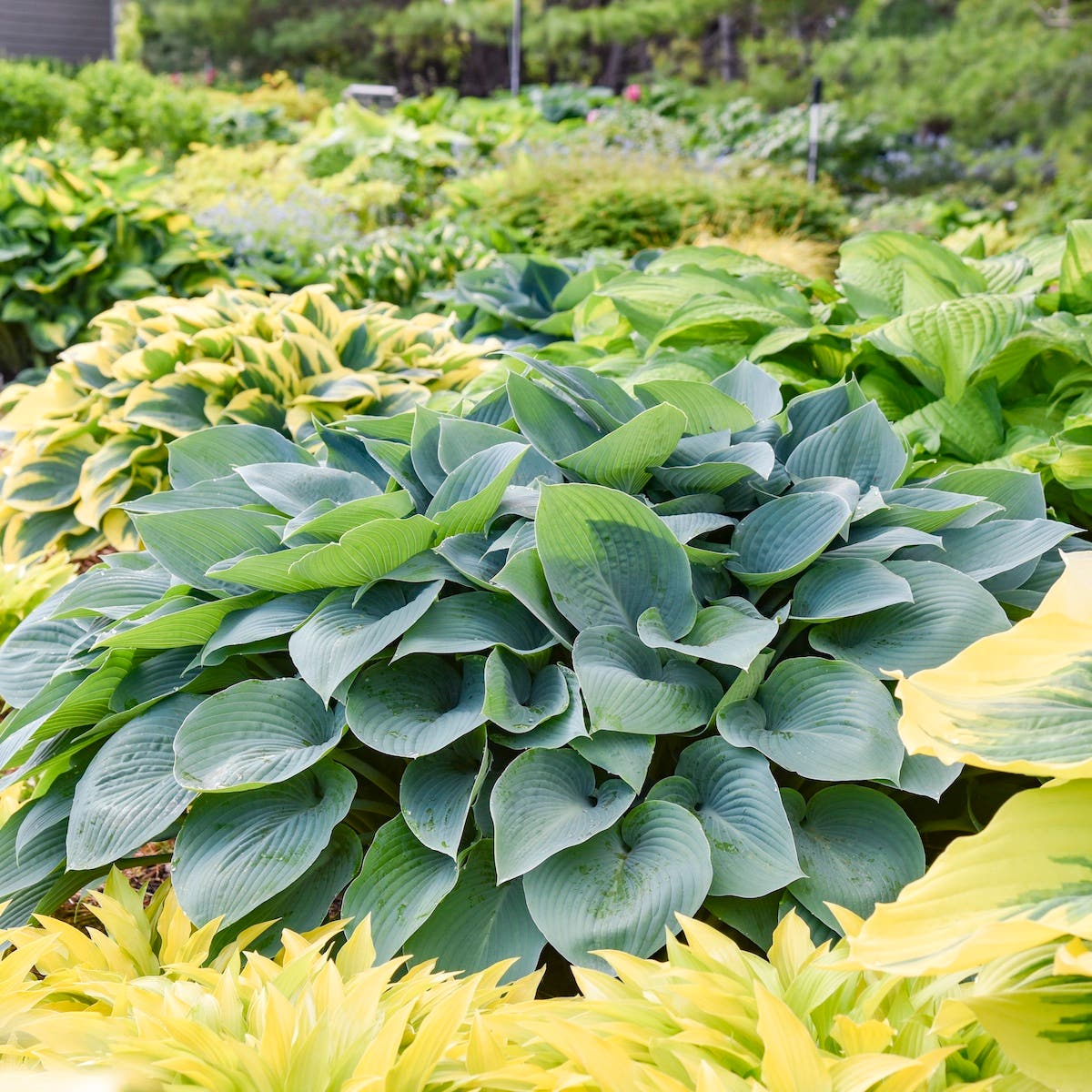
This plant is a ground cover for all levels of shade, including deep. Design-wise, it is useful for its vertical habit; it serves to break up the usually mounded forms of the shade garden. Its medium texture makes it a good mixer among finer foliage plants like ferns and sedges and larger-leaved favorites like hostas and heucheras. It can also serve as an alternative to mulch around trees.
Common name: Evergreen Solomon's seal
Botanical name: Disporopsis pernyi
Origin: China
Flowers: Yellow bell-like flowers appear in spring, but their position at the base of the leaf makes them less noticeable, so consider this more of a foliage perennial.
Foliage: Deep green, glossy, broadly oval leaves line the stems and remain present year-round.
Size and habit: Evergreen Solomon’s seal grows as a clump of upright, arching stems lined with long, narrow green leaves. It reaches 12 to 18 inches tall and 12 inches wide. It spreads by rhizomes, but it is not considered aggressive.
Growing evergreen Solomon's seal
Exposure: Shade
How to grow it: Easy to please, this perennial just needs a space in part shade, dappled light or full shade, with typical woodland conditions: humusy soil and even moisture. However, it can take some drought once established. USDA Zones 6–9.