Downy Phlox Is an Adaptable Native Perennial with Butterfly-Friendly Flowers
Downy phlox attracts butterflies to the garden with its late-spring pink flowers. This is a great trouble-free phlox for naturalistic gardens.
Downy phlox (Phlox pilosa) adds a touch of pink color to the late spring and early summer garden with its rounded heads of pinwheel-like flowers. This North America native plant invites hummingbirds and butterflies to sip from its tubular blossoms. An adaptable species, this phlox resists powdery mildew and fits right into a sunny cottage garden or meadow planting.
Common name: Downy phlox, prairie phlox
Botanical name: Phlox pilosa
Origin: Phlox pilosa is native to open woods, prairies and thickets from southernmost New England to Florida and west to the center of the United States.
Flowers: Downy phlox blooms from late spring into summer. The fragrant flowers are held in rounded clusters. Each flower has five petals, giving it a pinwheel-like appearance. The color is variable by individual plant, but it ranges from nearly white through all shades of pink, and the flowers tend to shift through lighter colors as they age.
Foliage: Pairs of long, narrow, medium green leaves line the stems. The foliage and stems are covered in tiny hairs, inspiring the common name downy phlox. This species does not typically develop powdery mildew, a foliar disease that can plague certain phlox.
Size and habit: This phlox grows one to two feet tall and one foot wide, as an upright clump of stems. It can spread by rhizomes, but it is not aggressive.
Growing downy phlox
Exposure: Full sun to part sun
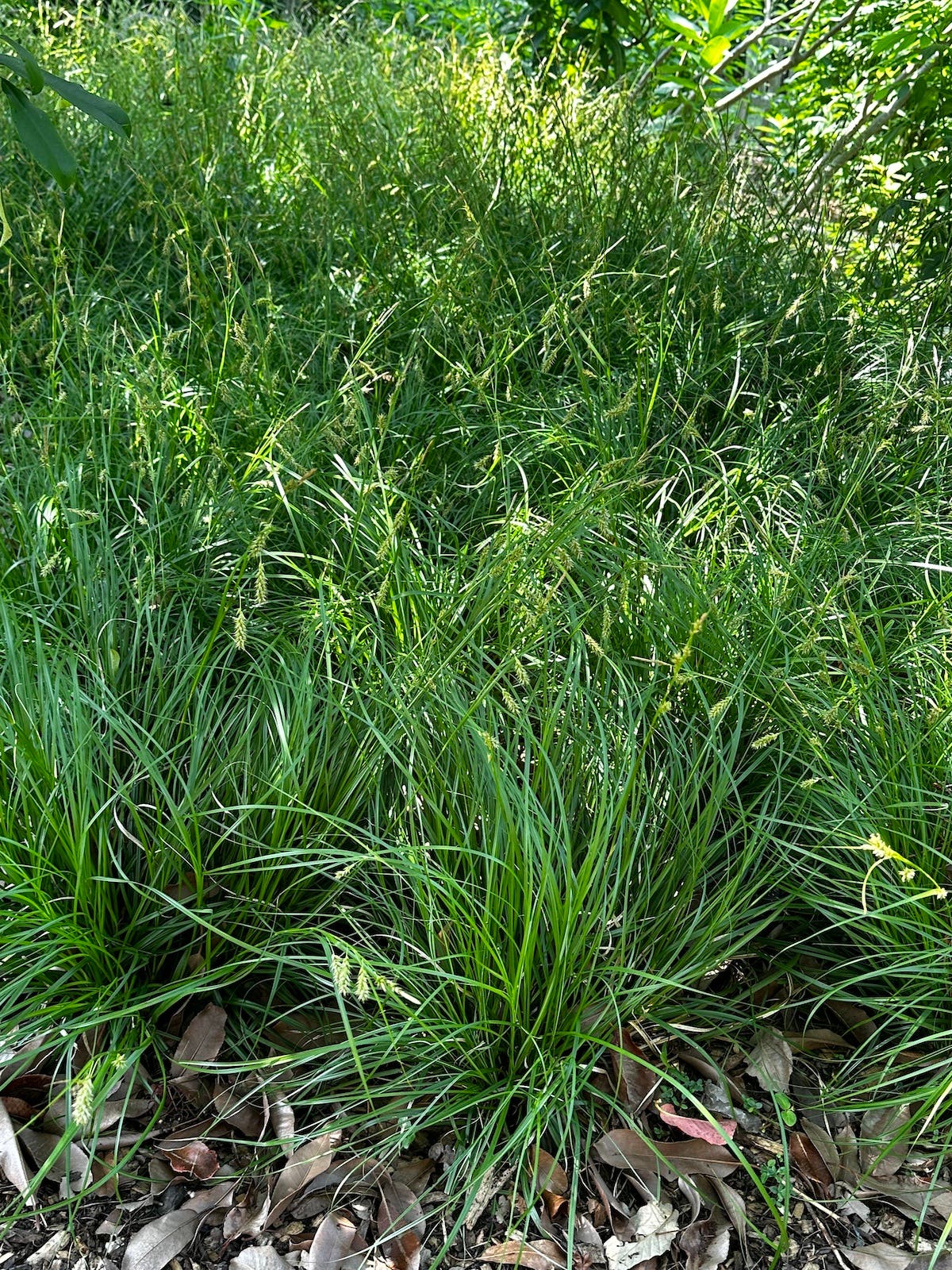
How to grow it: Phlox pilosa grows naturally in dry, sandy or rocky soils. It prefers slightly acidic soil. Although it grows well in dry soil and tolerates drought once established, it also adapts to soils with more moisture. In hot areas, apply mulch or grow downy phlox with a low, dense partner that can shade the soil, such as a sedge; this will help keep the root zone cool. Deadhead by shearing the spent flowers. USDA Zones 3–9
Image credits, top to bottom: Flowers by Joshua Mayer/CC BY-SA 2.0; Flowers and buds by sonnia hill/CC BY 2.0; Meadow by Joshua Mayer/CC BY-SA 2.0