The Butchart Gardens: History of a World-Renowned Garden
A National Historic Site of Canada, Butchart Gardens’ past is as fascinating as its present.
The history behind The Butchart Gardens in British Columbia
When you step into any botanical garden, it can be hard to imagine its origins. With massive, mature plants and acres of stylized displays, these institutions lose most traces of the wild landscapes or smaller collections of young plants that once were. At The Butchart Gardens, this discord between past and present is even more pronounced.
When Robert and Jennie Butchart moved from Ontario to Vancouver Island in 1904 and purchased the plot of land that was destined to become The Butchart Gardens, their business was in cement. The area, situated on the Saanich Peninsula about 12 miles north of Victoria, was a rich limestone deposit that fueled their new cement plant. However, a booming business quickly ran the natural resources dry, and the limestone deposits were exhausted by 1909. Jennie instantly envisioned a solution for the giant pit that was now left near their estate: gardens.
The Sunken Garden
The concept of a sunken garden was formed, but the site was in no condition for successful planting. Tons of topsoil had to be brought in by horse and cart to build the garden beds from scratch, and ivy was carefully tucked into every crevice to cover the gray quarry walls. In the end, it took nine years to complete the Sunken Garden, and it remains the largest and one of the most iconic sections of the gardens to this day.
About The Butchart Gardens:
- Location: 800 Benvenuto Ave, Brentwood Bay, British Columbia, Canada
- Size: 55 acres
- When to visit: Hours vary by season; check their website before planning a visit
Benvenuto: Sharing the Garden with the Public
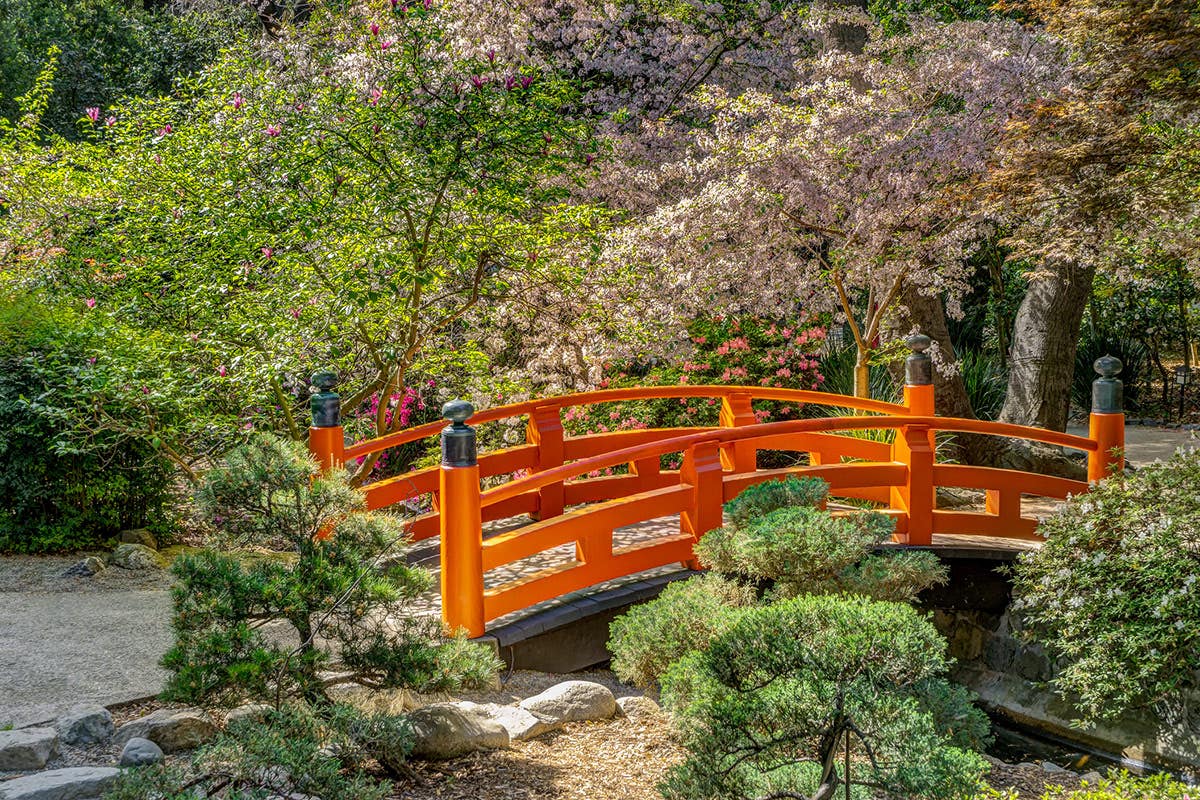
The Sunken Garden was the largest project Jennie undertook for the gardens, but it was not the first. Shortly after moving to Vancouver Island, Jennie hired Isaburo Kishida, a Japanese gardener, to help with the design of a formal Japanese-style garden on the family’s estate. Once construction of the Sunken Garden was underway, public interest in Jennie’s marvelous gardens began growing and the Butcharts immediately allowed both acquaintances and strangers to come and enjoy the landscapes.
The family home was named Benvenuto, which means "welcome" in Italian, and the title was taken very literally. The Butcharts served tea to all that visited the garden, whether they were invited or not. It is reported that they welcomed 18,000 visitors to their gardens and home in 1915 alone. All these early visitors enjoyed the gardens for free, as Robert and Jennie did not charge admission.
Continuing the Legacy: A Family Affair
For 35 years Jennie Butchart continued to expand the gardens. The family’s old tennis court was transformed into the Italian Garden, and the Rose Garden, home to 2,500 rose plants, followed shortly after. Robert and Jennie continued managing the gardens until 1939, when they gifted the gardens to their grandson Robert Ian Ross. He began shaping Butchart into the international attraction that it is today, adding outdoor concerts, night lighting in the summers and holiday light displays in the winters.
Descendants of Robert and Jennie continue to manage the gardens and uphold the legacy and vision that began over a century ago. In 1977, their great-grandson Christopher took over and began producing the weekly firework shows that continue every summer. Today, The Butchart Gardens is run by his sister and the Butchart’s great-granddaughter Robin-Lee Clarke.
4 Signature Plants to Spot at The Butchart Gardens
Upon visiting The Butchart Gardens, or seeing pictures of its displays, the first thing that often comes to mind is color. From the early days of spring until the last blazes of autumn foliage falls to the ground, vibrant colors are planted in drifts and mounds that create painterly combinations and designs. Among these dazzling displays, there are some plants that stand out from the crowd.
1. Himalayan blue poppy
The Himalayan blue poppy (Meconopsis betonicifolia ‘Baileyi’) is one of The Butchart Gardens’ most famous flowers, so much so that one of the few dining establishments at the gardens is named The Blue Poppy Restaurant. Jennie Butchart was well-known as an advocate and promoter of all newly discovered plants, but she soon developed a personal connection to the elusive blue poppy. In 1925, Jennie was one of a select few who received seeds that been gathered in 1924 by renowned seedsman and botanist Frank Kingdon-Ward. The seeds were planted in the Japanese Garden, where they can still be seen today for their annual bloom in late spring (around mid-May to mid-June).
These plants require very specific conditions and are often considered some of the most difficult plants to grow, but if you’re up for the challenge you can also purchase blue poppy seeds that were harvested from the gardens at their seed and gift store.
2. A pair of famous arborvitaes
A limestone mound within the Sunken Garden at Butchart Gardens offers a wide view of Jennie’s original creation and a jaw-dropping tapestry of plants. However, a pair of common garden trees still manages to draw attention. Originally planted by Jennie Butchart in 1920, these matching arborvitaes flank the main walking path that leads visitors through the garden. Unfortunately, Jennie’s original plants could not stand the test of time and have been replaced with new arborvitaes a few times over the years, but the iconic planting is still a testament to Jennie’s original design and vision.
3. Spring bulbs
Spring is a spectacular time to visit The Butchart Gardens. Along with the Himalayan blue poppy bloom that arrives at the tail end of the season, a vast array of spring bulbs are utilized to create vivid designs that rival Dutch bulb displays. These plantings are so diverse that it is impossible to name just one species that would be considered signature. In total, about 300,000 bulbs are planted throughout the gardens, which includes 92 varieties of Narcissus and 191 varieties of Tulipa.
If you’re a connoisseur or collector, you’re still bound to discover a cultivar you haven’t seen before within the elaborate beds and borders. And if tulips and daffodils aren’t your taste, keep an eye out for the 88 other bulbs in bloom, including Hyacinthus, Crocus, Scilla and Fritillaria.
Related Article: Miniature Daffodils Growing and Design Tips
4. Dahlias
Another plant that avid collectors should plan their visit around is the dahlia. From mid-August through October the gardens fill with the diverse flowers of this expansive genus. More than 100 different varieties are on display every year, many of which can be found in densely planted borders throughout the gardens.
One area of note is a long border along the Concert Lawn that features a new mix of exciting combinations each year. If you plan a visit for the first few days of November, you might catch The Butchart Gardens staff carefully cutting down the flowers and digging up the tubers to be planted and enjoyed next year. But don’t worry, those beautiful blooms will not go to waste. Cut flowers are taken and made into bouquets.