Cut Flower Garden Ideas for Any Size Space
You don’t need a sprawling estate to grow your own bouquets
You don’t need acres for a cut flower garden
I grew up on a flower farm in the hills of southern Illinois. Summer meant carrying bucketfuls of zinnias, cosmos and dahlias into the barn to sort for the local farmers’ market. Later, I traded open fields for urban and rooftop gardens while working for a small-space garden design company in Boston. Those years in New England taught me an essential truth: You don’t need acres of land to have a cutting garden. You just need a little planning and a lot of imagination.
Whether you’re working with a single container on a balcony or a backyard that fits multiple beds, you can create a steady supply of blooms. The keys are simple: Understand your light, choose plants that thrive there and pair them to fit the space you have.
Related Article: 10 Best Flower Bulbs for Cut Flowers
Site your cut flower garden in a sunny spot
Before you buy a packet of seeds or pick your plants at a nursery, check out your space. Look it up and down. Most cutting-garden classics need full sun—at least six hours a day—but there are plenty of beautiful flowers and herbs for partial sun (three to six hours) or even shade (fewer than three).
In full sun, I rely on zinnias, cosmos, dahlias, snapdragons, sunflowers and ammi. These thrive in the heat and reward you with armloads of flowers. I weave in herbs for texture and fragrance—basil, rosemary, dill, fennel, sage and lavender love the sun and make bouquets smell as good as they look.
Cut flower garden ideas for shadier spaces
If your spot gets only a few hours of light, turn to foxgloves, nicotiana, sweet peas, nasturtiums, larkspur and calendula. Herbs like mint, lemon balm, thyme, oregano and tarragon can also flourish here.
In the shadiest of spaces, focus on foliage and specialty blooms. Astilbe, hostas and ferns add rich texture, while begonias, coleus and shade-tolerant hydrangeas bring color. Parsley, cilantro, chives, lovage and sorrel make excellent companion plants here.
Related Article: Grow These Uncommon Herbs at Home
Design a cutting garden to match your space
If your cutting-garden space is a balcony, rooftop or other small area, focus on the vertical. Group pots together and layer plants by height. Add a tiered plant stand or hang planters if possible. With containers, the golden rules are regular watering and consistent pest checks. And if you’re short on floor space, build upward. Rail boxes, wall-mounted planters and even a small shelving unit can double or triple your growing area.
Maximize your space for cut flowers
In a larger but still modest area, layering remains key. I like to use a narrow border or the L-shaped bed that often hugs a patio or entrance. Raised beds add interest to flat landscapes, as well as additional growing space. Structures like obelisks, trellises and strategically placed containers keep things dynamic. Seek the less-obvious spaces hiding within an existing garden: You can mount planters on a fence, tuck a tall pot into a corner and even edge pathways with low-growing cultivars. Building a space for cut flowers often means reimagining edges and boundaries.
Cut flower garden ideas for larger spaces
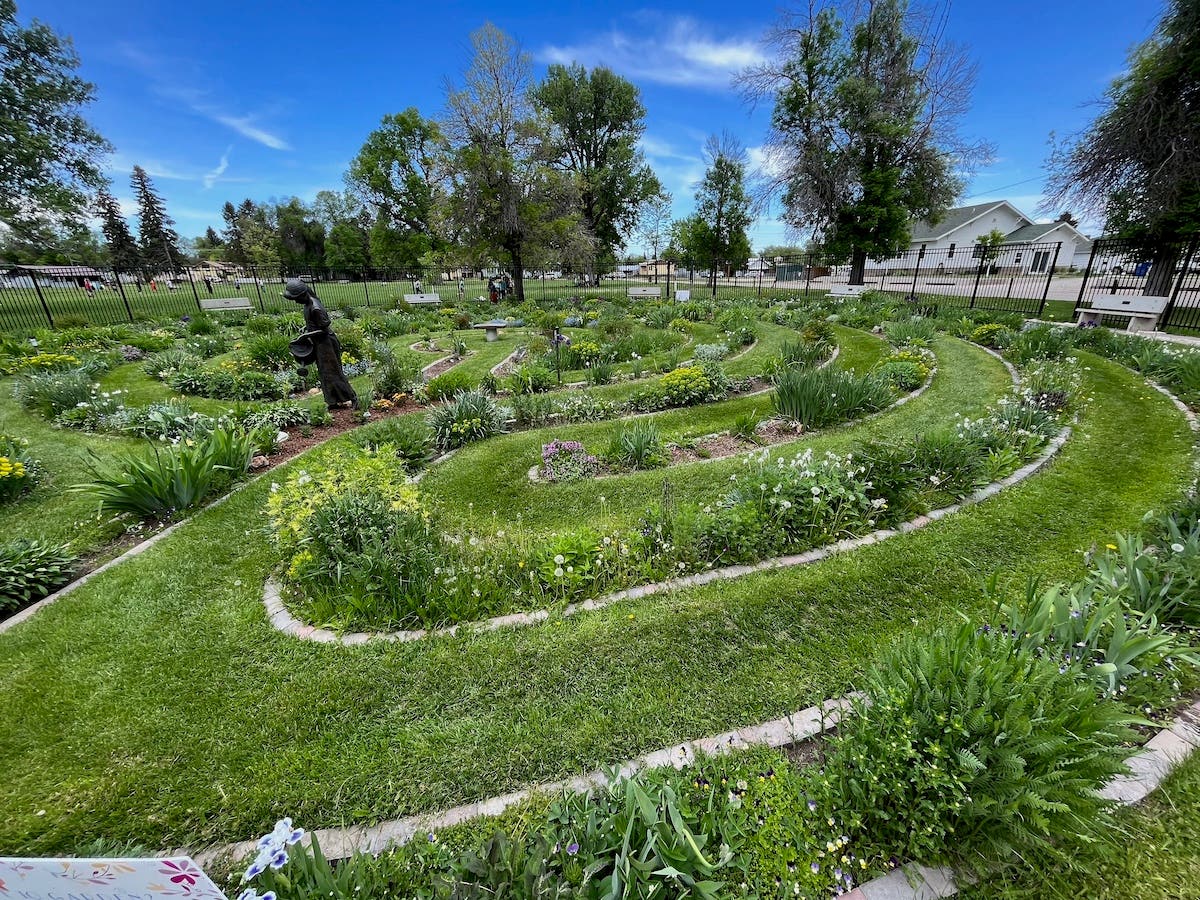
If you have more room to devote to the cutting garden, you can treat the space like a miniature flower farm. Lay out rows for efficiency, plant plenty of hardworking staples and allocate room for more delicate varieties you’ve been eager to try. With space, you can succession plant in spring, summer and fall, allowing for a near-constant harvest over multiple seasons. And here, you can build structure in a different way—shed walls become trellises, compost bins double as windbreaks and pathways widen into spaces for a bench or table and chairs. In these larger spaces, think about design that’s both functional and flexible.
No matter the size, design with harvest in mind. Paths between rows should be wide enough to walk through without damaging blooms, plants should be placed so they’re easy to reach and your layout should make it fun to cut and gather. The more intentional you are about shaping the space, the more abundant and enjoyable your cutting garden will feel.
Tips for harvesting cut flowers
Growing cut flowers is only half the story. Harvesting and conditioning them properly ensures they last.
Cut in the early morning or evening, when plants are hydrated. Use sharp snips, cut stems at an angle and strip any leaves that will sit below the waterline. Place stems in clean water and let them rest for a couple of hours before arranging them. This simple ritual can add days—or even weeks—of vase life.
Related Article: Quick Tips for Cutting Flowers from the Garden to Extend Vase Life
If you’re working in a tight space, build yourself a little harvest station. A folding table, a sink in the garage or even a dedicated bucket that lives by the back door makes the process smoother. Creating a system for cutting and conditioning makes any size garden feel like a professional setup.
Harvesting cut flowers regularly encourages more blooms
Think of harvesting as a rhythm. The more regularly you cut, the more your plants will produce, especially with prolific bloomers like zinnias, cosmos and dahlias. Don’t be shy about cutting deep into the plant; most flowers respond with stronger, bushier growth. And remember, clean tools matter. Sanitize your clippers with an antibacterial wipe between harvests to help prevent disease and keep stems fresher longer.
Quick Picks: Flowers for different types of cutting gardens
Whether you’re working with a single pot on the front steps or a backyard bursting at the seams, a cutting garden brings beauty both outdoors and in. It connects you to the seasons in a way that store-bought flowers never can. The joy of walking outside with clippers and coming back with an armful of flowers? That’s something everyone should experience, no matter the size of their space.
Flowers for a container cutting garden:
- Full sun: Zinnias, mini sunflowers, bedding dahlias, snapdragons (shown), rosemary, lavender, basil (shown).
- Part sun: Nasturtiums, sweet peas and calendula paired with mint, lemon balm and thyme.
- Shade: Begonias and coleus mixed with parsley, chives and lovage.
Flowers for a single bed or border
- Full sun: Basil and dill up front, snapdragons and zinnias in the middle, sunflowers and ammi at the back.
- Part sun: Mint (shown) and chervil low, foxglove and nicotiana mid-level, sweet peas and larkspur (shown) climbing high.
- Shade: Parsley and cilantro in front, dwarf hydrangeas mid-level, astilbe and ferns behind.
Cut flowers for a larger, multi-bed area:
- Full sun: Dahlias, zinnias, lisianthus and sunflowers with lavender and sage for fragrance.
- Part sun: Foxglove, nicotiana and calendula paired with lemon balm, oregano and tarragon.
- Shade: Astilbe, hydrangeas, ferns and hostas backing lovage and woodland mint.
Subscribe to Horticulture Magazine
Shop Vintage Horticulture in Our Online Store
Travel with Us | See Our Current Garden-Tour Lineup
Sign Up for Our Weekly Newsletter