Design a Garden with Year-Round Seasonal Interest and Wildlife Appeal
Follow these pointers to create a multi-season landscape
Grow a garden that’s always in season
The seasonality of plantings is one of my favorite aspects of gardening. When we plan and design our landscapes so that they offer something new regularly, they are even more engaging. Every week the garden brings something different to celebrate.
Unfortunately, many plantings feature commonplace plants that are meant to look the same year-round with little maintenance. Or we make the mistake of buying all the flowers the garden center carries in the excitement of spring. We cram them into the holes in our gardens but then watch them fade away as the second half of the year hits.
Building seasonal interest in the garden is a practice that we must conscientiously strive toward. The secret isn’t simply adding more plants; it’s choosing more plants that work harder across multiple seasons. With a few thoughtful steps, we can have gardens that look truly appealing the whole year.
Related Article: Celebrate Trees and the Morton Arboretum
What is seasonal interest?
Seasonal interest can be defined as any detail that provides some visual aesthetic at a certain time of year. Sure, you could argue that boxwood (Buxus sempervirens), or any green mound of foliage, is visually stimulating. But compare an evergreen blob to a plant that possesses several dynamic attributes, and it’s obvious which is better.
I’ve put together a list of features below that help plants shine across seasons. The more boxes a plant checks, the better. Many of my favorite garden plants qualify as multi-season all-stars.
Qualities to look for in a multi-season plant
Seasonal interest can take on several forms. As you fill the gaps in your garden, make sure the additions check at least one of these boxes in the seasons that most need a boost:
- Senescence in which the fading plant offers unique color or other qualities
- Strong growth habit, be it contorted, weeping, vertical, rounded, airy or other
- Bark or stems that offer interesting color, texture or pattern
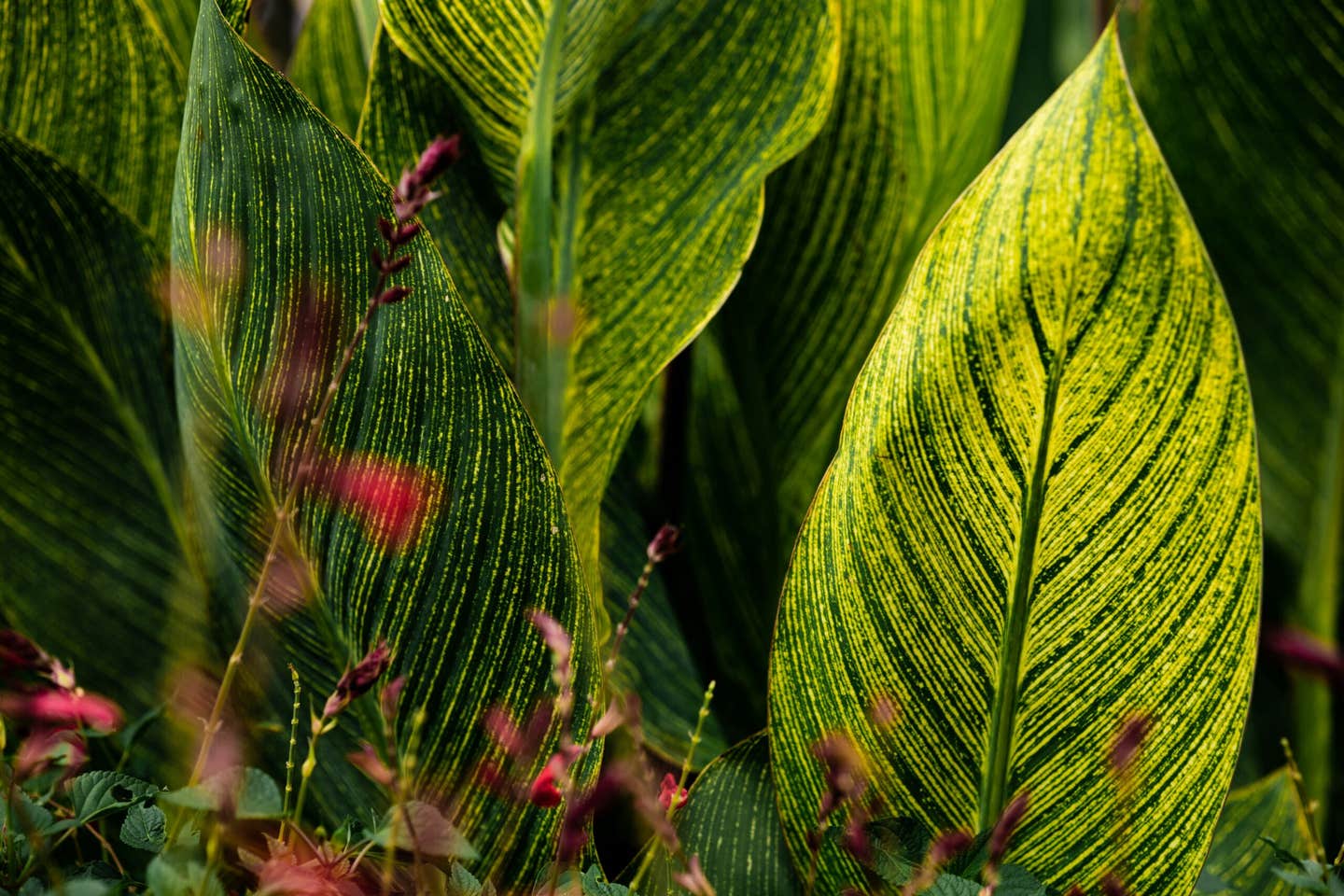
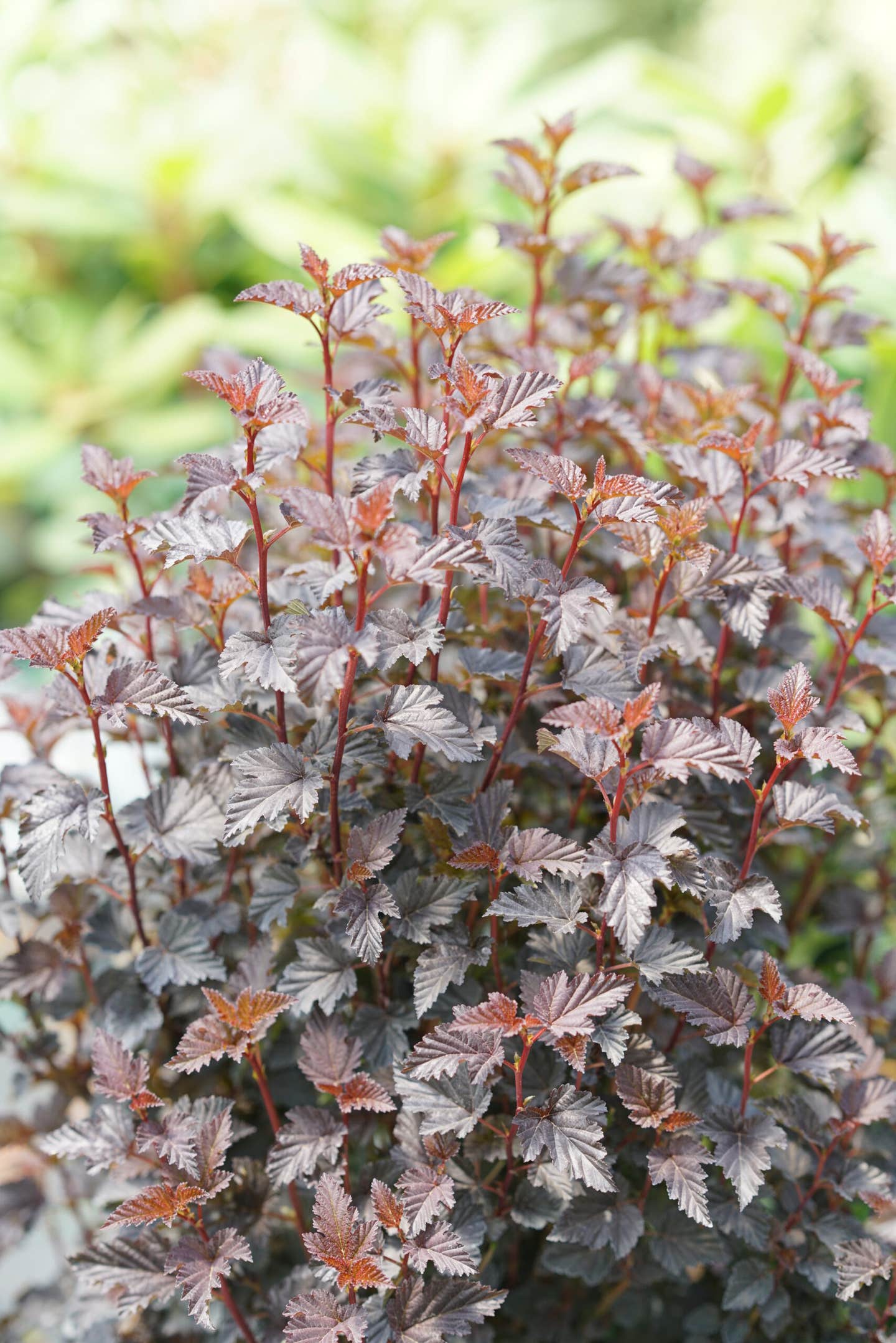
- Foliage that is colorful or stands out in shape, size or texture
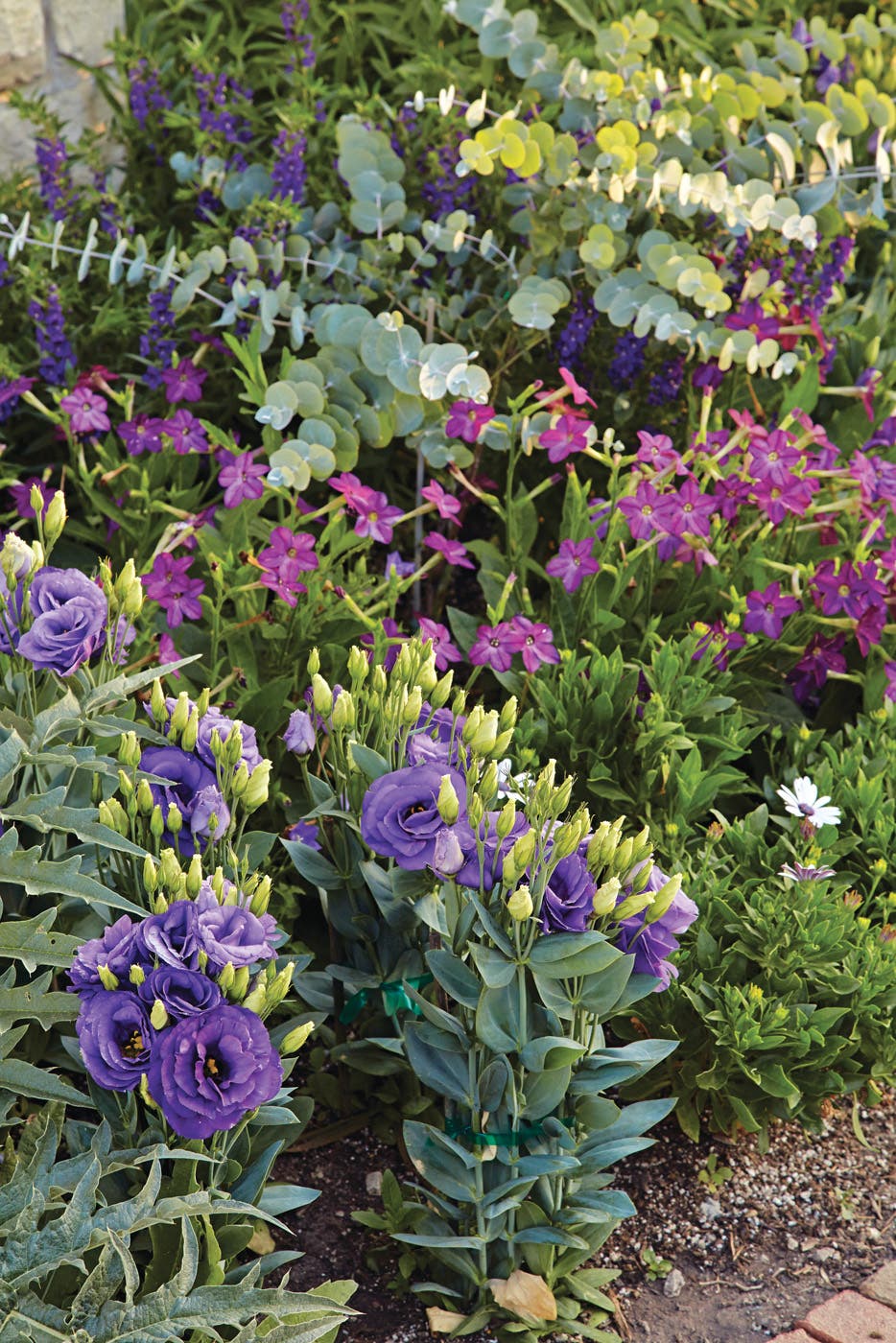
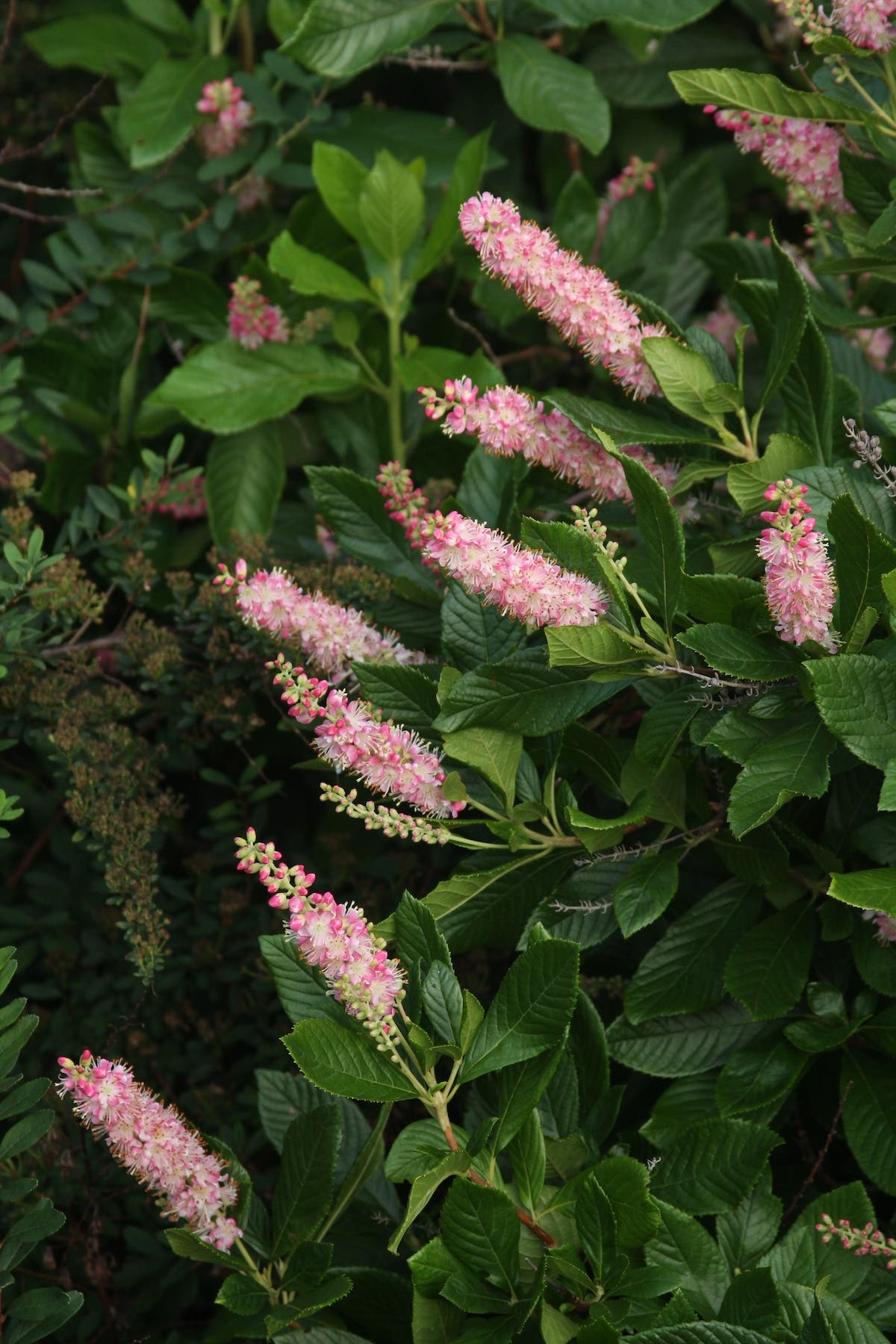
- Blooms with rich hue or fragrance, or that appear when few others do
- Fruit and seeds that are brilliantly colored or capture light
Among trees, ‘Autumn Brilliance’ serviceberry (Amelanchier × grandiflora ‘Autumn Brilliance’) offers beautiful white flowers followed by delicious fruit in summer and then brilliant fall foliage. For shrubs, oakleaf hydrangea (Hydrangea quercifolia) shows off lovely cinnamon-colored bark in winter; bold-textured, gray-to-green leaves in spring; lovely white flowers in late spring that fade to green and then brown over the summer; and finally red, orange or yellow foliage in autumn. A go-to perennial is Arkansas bluestar (Amsonia hubrichtii), for its beautiful blue spring flowers and wispy foliage that turns from vibrant summer green to buttery yellow in the fall.
Selecting multifaceted plants such as these not only simplifies the art of designing for continued seasonal interest but also stretches the garden’s budget. Choosing plants that provide more than one feature gets you more bang for your buck. Why use any old understory tree when you can pick something like a dogwood (Cornus florida), which offers spring flowers, colorful late-summer fruit (a favorite of birds) and brilliant fall foliage?
Mind the seasonal gap in the garden
When we are determining what kind of seasonal interest to add to the garden, it helps to identify what visual gaps exist. One strategy to find the gap: Walk around your garden with a notebook, and document what is catching your eye (or not). You might be surprised to see how different the plant diversity numbers are between spring/summer and fall/winter!
It also pays to keep your eyes peeled for seasonal interest in the broader landscapes of your area. For example, years ago I noted that my garden resembled a haze of green in sweltering July and August. So, I paid attention to the plants in gardens and wild spaces around me to see what was thriving and shining then. I ended up adding cup plant (Silphium perfoliatum), obedient plant (Physostegia virginiana) and Formosan lily (Lilium formosanum) to bridge the gap between summer blooms and the first flowers of autumn.
For gardeners who are starting with blank slates, building in seasonal interest is easy. But in gardens that are more established, it can be a challenge. There, you may have to actively identify plants to remove to make space for more focal-point species. To ease that pain, ask yourself: Would you rather have a flower blooming here for three weeks in the spring, or a plant contributing for three-plus months of the year? Also, you don’t have to make giant sweeps. Choose one area that you easily see from inside the house and start making changes there.
Related Article: American Smoketree Provides Year-Round Color & Texture
Key seasons in the garden
When you’re working on enhancing seasonal interest in your garden, start with winter. Spring and summer can usually take care of themselves. And while the colder, darker months are often overlooked when designing a garden, this season can be one of the most important times to have strong visuals.
Depending on your region, there may be three to five months when the garden sleeps and little appears visually stimulating. But it doesn’t have to be that way. Conifers like deodar cedar (Cedrus deodara) and Arizona cypress (Cupressus arizonica), berry-filled plants like coralberry (Symphoricarpos orbiculatus) and possumhaw (Ilex decidua) and flowering trees like common witch hazel (Hamamelis virginiana) and flowering apricot (Prunus mume) work wonders in the winter scene.
Related Article: Deciduous Trees with Outstanding Winter Interest
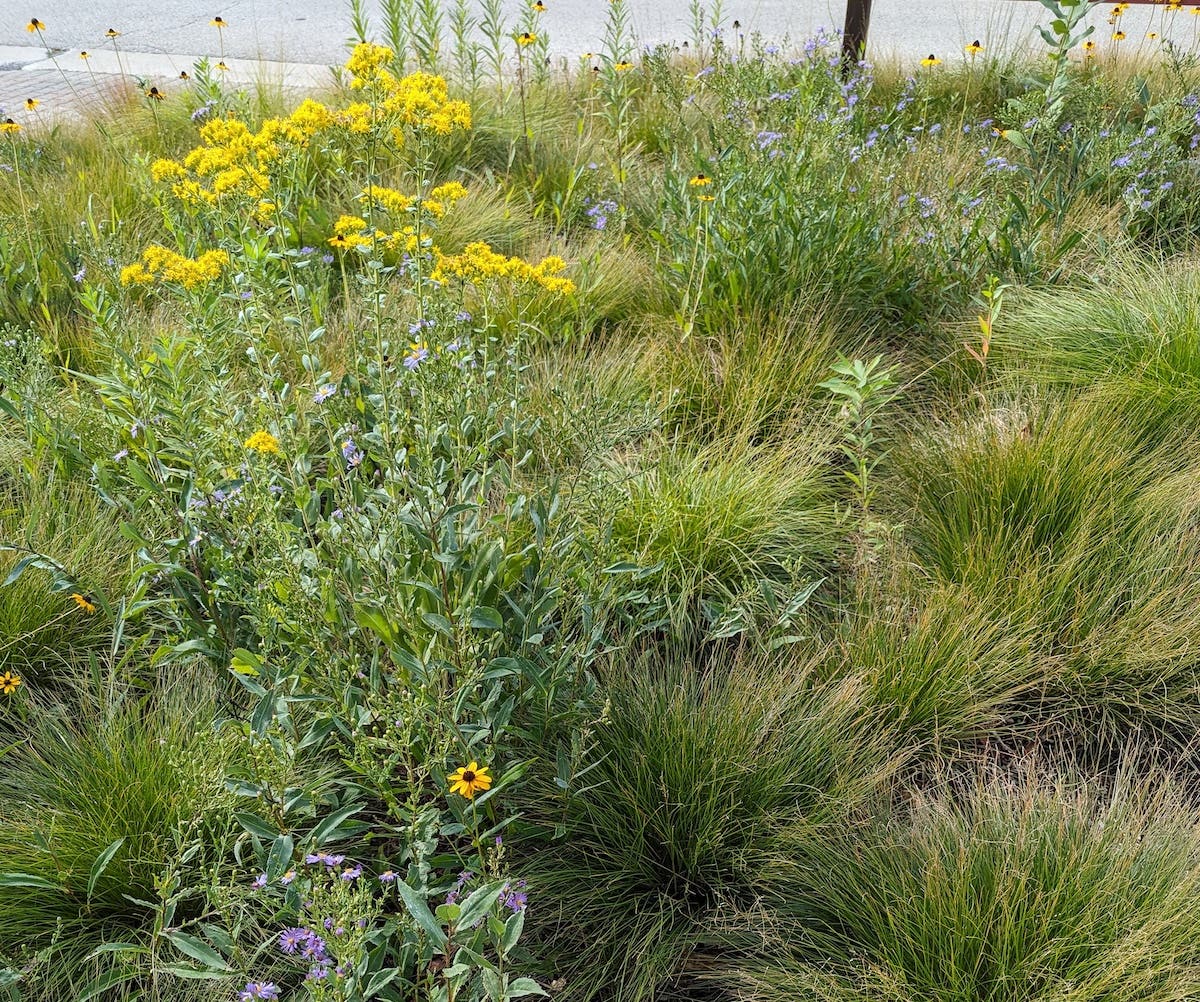
Fall is second-most overlooked for intentionally building interest. It’s beyond me why every garden in America doesn’t have some native grasses like ‘Northwind’ switchgrass (Panicum virgatum ‘Northwind’), ‘Standing Ovation’ little bluestem (Schizachyrium scoparium ‘Standing Ovation’) and ‘Blackhawks’ big bluestem (Andropogon gerardii ‘Blackhawks’). I swoon when I watch them sway in autumn. (They can easily carry through into winter, too.) Then there are asters (Symphyotrichum), smokebush (Cotinus obovatus and C. coggygria), witch alders (Fothergilla) and more that shine in fall as well as other seasons of the year.
Remember pollinators and wildlife in the garden
When we think about seasonal interest, we often put ourselves first. But we should remember to consider how it can benefit the critters that live in the garden. Building a diverse seasonal palette can provide reliable habitat for bugs and other animals.
For example, spicebush (Lindera benzoin) offers a haze of yellow flowers in the spring, yellow foliage in the fall and red fruit (on female plants). But a great highlight the shrub provides comes in summer, in the form of spicebush swallowtails flitting around the garden. That’s because it is a larval host for this butterfly species.
The fruits of hollies (Ilex) and viburnums (Viburnum) are delicious for birds. The pollen of blueberries (Vaccinium) feeds southern blueberry bees, and leafcutter bees harvest the leaves of redbud (Cercis canadensis). When you keep the stems of cup plant (Silphium), Joe-Pye weed (Eutrochium) or swamp mallow (Hibiscus) standing for winter interest, you are also creating a space for creatures to wait for spring.
Dr. Jared Barnes is a professor of horticulture at Stephen F. Austin State University in Texas. He also educates horticulturists through his newsletter, podcast and classes found at meristemhorticulture.com.