Q&A: What is late blight?
I heard there’s a disease spreading this year called late blight that affects tomato and potato crops. Should I be worried?
I heard there’s a disease spreading this year called late blight that affects tomato and potato crops. Should I be worried?
Answer: Late blight is a very destructive and infectious disease caused by the Phytophthora infestans fungus. It affects tomatoes and potatoes. Late blight caused Ireland’s Great Famine (1845–1852).
Late blight has been present in the United States for more than 100 years, but it is occurring this year earlier and more widespread than ever, and it’s affecting both home gardens and commercial growers. Cases are popping up mostly in the northeastern quarter of the country, particularly in the Mid-Atlantic and New England. Very wet conditions in this region have exacerbated the problem. (Update, August 17, 2009: Multiple cases have been reported in the Midwest, including Wisconsin and Illinois.)
The disease is not carried in seeds, so if you started your own seedlings you can rest somewhat assured. If plants you bought did not originate from this wholesaler, you may also be somewhat assured. However, the disease is very contagious. Spores can travel by wind up to four miles, land on a plant and infect it. So if a neighbor’s plants have the disease, yours may end up with it too; healthy plants sharing shelf space with diseased plants may easily contract the disease.
It is very important that gardeners in the affected region (Northeast) check their tomato and potato plants for symptoms at least weekly and take appropriate measures. This will protect fellow gardeners as well as local farmers.
Symptoms
Look for brown lesions on tomato stems and nickel-size olive green or brown spots on leaves. The leaf spots start out very small. White fungal growth appears if the weather is humid or wet. Firm brown spots appear on fruit.
If the lesions have a yellow border and appear on the bottom portion of the plant, the problem is more likely early blight or Septoria leaf spot.
On potato plants, look for black lesions on leaves and stems. White fungus appears at the lesion’s edge in humidity, especially on leaf undersides. Lesions turn brown when they dry up, and the white fungus disappears. Infected potato tubers have brown or purple lesions with a reddish grainy rot in the potato flesh beneath them.
Treatment
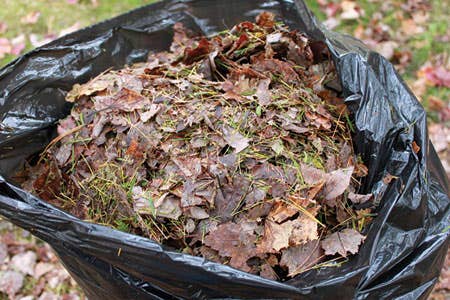
Remove symptomatic plants. Seal them in a plastic bag and throw them in the trash. Alternatively, bury the plants, making sure to dig deep enough that they won’t sprout back. Do not put the plants in your compost pile because the spores will continue to spread. Clean your tools and hands thoroughly after pulling infected plants.
Fungicides can be used to prevent infection. They must be applied before symptoms appear and be reapplied frequently. For fungicide guidelines, click here. Organic gardeners and farmers have few options for prevention. They may use copper fungicides, but copper is not very effective on late blight.
This year the problem seems limited to the Northeast, but if you’re concerned about late blight wherever you are, check with your local agricultural extension office to learn if cases have been identified.
Sources: Cornell Cooperative Extension; UMass Extension; Massachusetts Introduced Plants Outreach Project