Tip of the Week: Space-Saving Planting
The planting space in a small flower border can be effectively doubled to tripled by “layered” planting through the seasons.
The planting space in a small flower border can be effectively doubled to tripled by “layered” planting through the seasons. This offers the double advantages of saving space and extending the season of interest.
Here’s how to layer your plantings:
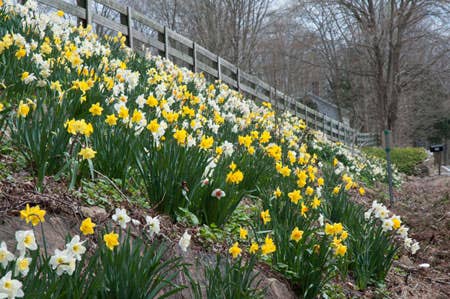
- Plant daffodils, tulips and other spring bulbs beneath mat-forming herbaceous perennials such as lady’s mantle (Alchemilla mollis; Zones 4–7) or hardy geraniums (Zones 4–9), which will flower in early summer. Summer annuals such as poppies, pansies, celosia and cosmos can follow as these fade.
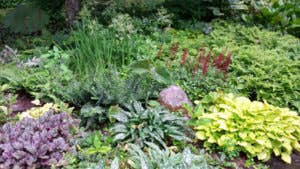
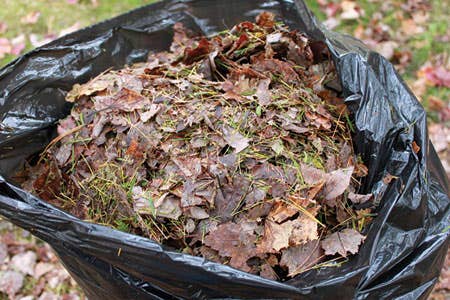
- The space beneath deciduous shrubs is ideal for spring woodland flowers such as primroses, violets and lungworts (Pulmonaria; Zones 4–8), which can bloom in the sunshine before the shrubs come into leaf. These woodland plants will appreciate the shade cast by the shrub in summer and the blanket of fallen leaves in winter.
- Some climbers will happily scramble up through the branches of deciduous spring-flowering shrubs, giving them a second season of interest long after their own blooms have faded. Clematis grown in this way will appreciate the shade that their host casts on their roots.
mgodfreyAuthor
Related Stories