Have a Festive Fall at Denver Botanic Gardens
There’s a unique history behind the vibrant Denver Botanic Gardens. Learn the origins here, plus the special ways they celebrate fall at this leading western public garden.
Plan a visit to Denver Botanic Gardens
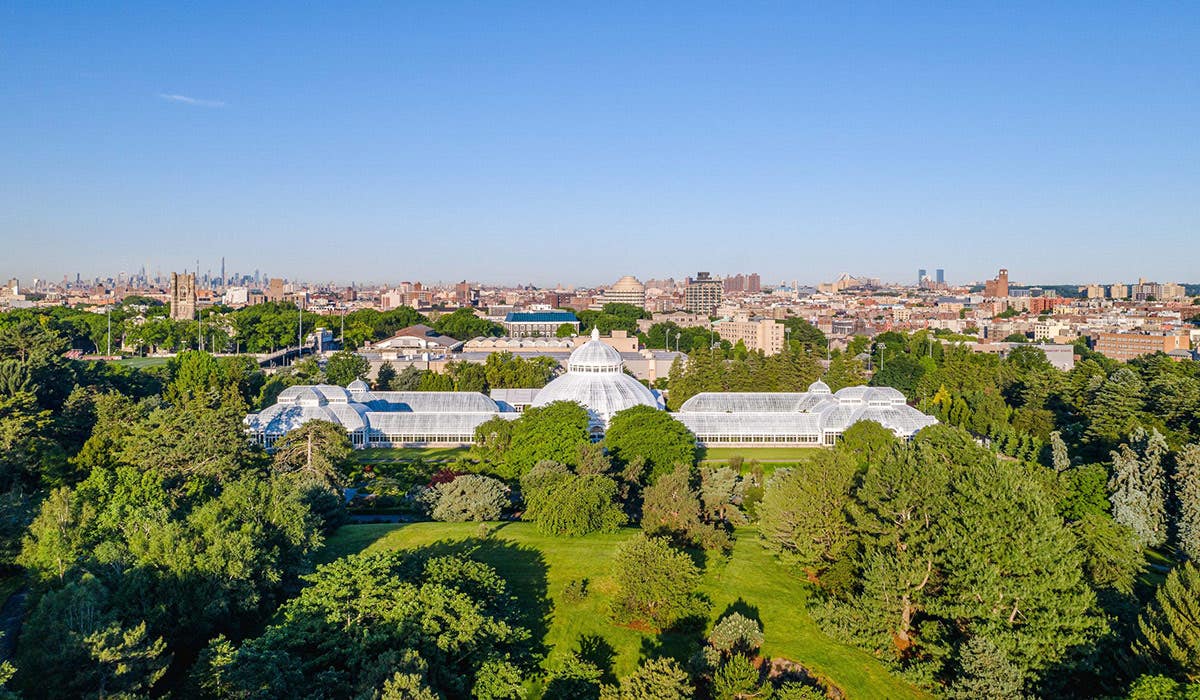
Botanic gardens often have interesting origin stories. Plant-loving individuals and horticultural organizations come together through all means to open these beautiful and educational institutions to the public. However, the origins of Denver Botanic Gardens are particularly hair-raising. The gardens’ main York Street location is the grounds of the original City Cemetery, which was established a year after the city of Denver was founded in 1858. During the late nineteenth century, City Cemetery was increasingly losing customers to newer cemeteries, so the city converted much of the grounds into a park in 1890. Further land reorganizations in 1910 and 1950 necessitated the removal of roughly 6,000 human remains before the gardens opened, but several hundred bodies are estimated to still lie under DBG York Street and neighboring Cheesman Park to this day.
Chatfield Farms
In 1973, an opportunity arose for Denver Botanic Gardens to acquire a 750-acre nature preserve southwest of Denver from the US Army Corps of Engineers, but this site also has a dark history. The land was managed by the corps at the time because it was part of the floodplain for the Chatfield Dam, Reservoir, and State Park—all built in the aftermath of Denver’s deadly 1965 flood. Under the agreement that Denver Botanic Gardens maintains the natural area with wetlands along Deer Creek, the expanding institution was eventually able to open Chatfield Farms to the public in 1988. Today, Chatfield is home to two historic farms that have been restored, a range of agricultural gardens that represent the past and present, and DBG’s annual fall corn maze and pumpkin festival.
________________________________________________________________________________
About Denver Botanic Garden:
- York Street location: 1007 York Street, Denver, Colorado
- Chatfield Farms location: 8500 W Deer Creek Canyon Road, Littleton, Colorado
- Size: 24 maintained acres at York Street and 750 acres of wildlife refuge, agriculturally focused farms and gardens at Chatfield Farms
- When to visit: the gardens are open year-round; just check their seasonal hours for York Street and Chatfield Farms
________________________________________________________________________________
Visit in the fall for pumpkins, spooky decor, festive vignettes and more!
Spread across two main locations, Denver Botanic Gardens has sites that are astonishing to visit year-round, but there is even more to celebrate during autumn. Of course, the aforementioned corn maze and pumpkin festival are popular attractions at Chatfield Farms, but York Street also gets in on the fun. Glow at the Gardens™ is an immersive, illuminated path of enchanted landscapes in the gardens that come to life with live performers and hand-carved pumpkin displays.
Meanwhile, Ghosts in the Gardens leans into DBG’s dark history, as storytellers scattered throughout the gardens share real staff encounters and accounts of the spirits still attached to the grounds once known as The Boneyard. For those looking to dive even deeper into this grim origin story, Haunted History is a one-night-only experience that grants guests access to certain areas of the gardens along with a more robust collection of ghost stories and historical information.
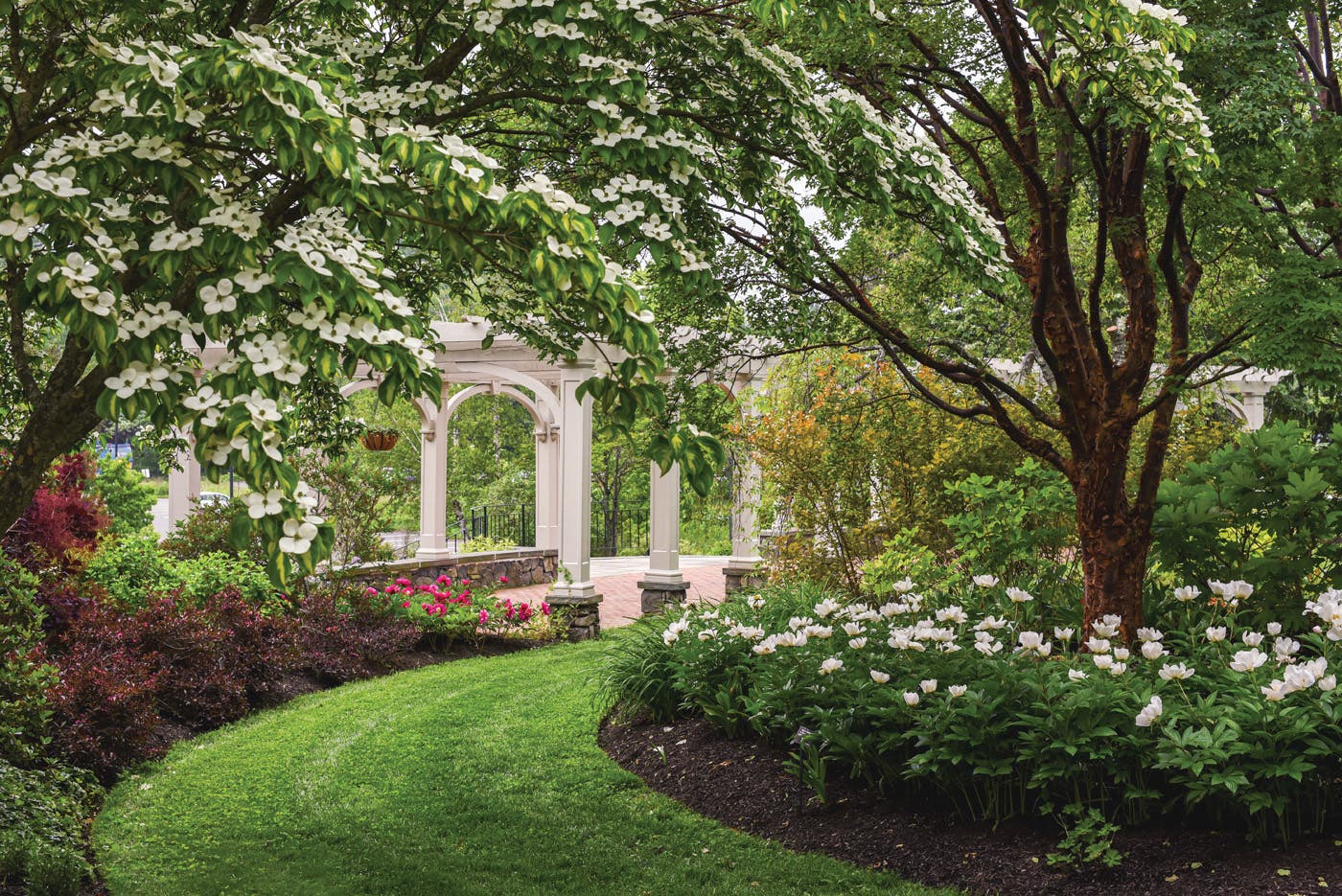
If jack-o'-lanterns and Halloween haunts aren’t your speed, there is always plenty of fall garden beauty to enjoy at Denver Botanic Gardens. A delightful range of fall flowers will be in bloom, vibrant foliage is the backdrop to many marvelous designs and fall fruiting plants add glistening gems to late-season displays.
4 Signature Plants to Spot at Denver Botanic Gardens
Unlike other public gardens, Denver Botanic Gardens distinguishes itself as a “living museum.” Beyond a collection of specimens, or an institute that builds and maintains elaborate displays, DBG takes pride in the documentation of every one of their plants for the advancement of science and conservation. This wealth of information on their vast assortment of plants from across the globe (which can easily be sorted through in the DBG Gardens Navigator) makes it hard to pin down their “signature” plants. Here are four plants that represent a sample of the plants that are worth traveling to the Denver area to see in person.
1. Corpse flower
The infamous bloom of the corpse flower (Amorphophallus titanum)—also known as titan arum—is a horticultural event that can draw plant aficionados from far and wide to witness this otherworldly flower and experience its intense odor. Native only to the rainforests of Sumatra, an island in Indonesia, it is listed as endangered in the wild by the International Union for the Conservation of Nature (IUCN). However, an increasing number of these plants exist in cultivation, and Denver Botanic Gardens have had four corpse flower blooms since their first specimen, “Stinky,” bloomed in 2015.
These blooms are rare and unpredictable, with the flower lasting only about 24 to 36 hours and requiring years of dormancy to bloom again, so a special trip will need to be planned if you want to catch this unusual plant in all its smelly glory. The corpse flower named “Lil’ Stinker” was the last to bloom at Denver Botanic Gardens in 2022, so the next bloom might be right around the corner.
2. Champion trees
Rather than a particular variety or type of plant, champion trees are distinct specimens that stand out above the crowd—literally. The National Champion Tree Program is a conservation effort created to “protect, preserve, and keep record of the largest trees in the United States of America,” and each state has its own registry that recognizes the largest trees of each species within the state. Denver Botanic Gardens has over 40 trees on the Colorado Champion Tree Registry, which all bear a label marking their champion status. There may be no better time to admire these towering treasures than the fall season, and you can easily plan a tour of these specimens with the help of their online Gardens Navigator.
3. Waterlilies
An extensive waterway system feeds seven different water gardens at DBG, lending to a massive collection of more than 450 aquatic plant species and varieties. While this includes several different categories of plants from across the globe, one of the most notable and recognizable might be their array of hardy and tropical waterlilies. This includes the iconic Victoria or giant waterlily (Victoria amazonica, V. cruziana and V. ‘Longwood Hybrid’) with its enormous pads that can reach up to eight feet across, as well as cold-hardy varieties that survive the winter temperatures of Denver.
4. Bell’s twinpod
Of the 3,000 plants native to Colorado, over 120 are rare and imperiled, and Denver Botanic Gardens is playing a huge role in their protection and conservation. Along with the horticultural research and restoration efforts conducted, DBG gives ample space to what they call “Gardens of the West,” which highlight and celebrate the unique plants of this region. For a look at the rarest and most threatened plants in their collections, look no further than the Conservation Garden. One plant that is prominently featured is the Bell's twinpod (Physaria bellii), a rare perennial mustard native to Colorado and found only along the Front Range foothills in shale and limestone outcrops. The plant faces many threats in the wild but has been grown with great success in cultivation and is a highlight of this very important display.