Compact Edible Plants for Small-Space Gardens
Plant breeders are working to create small but tasty versions of our favorite vegetable garden plants
Imagine biting into a sun-warmed tomato, freshly plucked from a mature plant just inches tall. The rise of compact edible plants—everything from eight-inch tomatoes to three-foot berry bushes and narrow columnar apple trees—offers gardeners a way to grow delicious, fresh produce in almost any space. Thriving on windowsills and patios, these pint-sized powerhouses make growing food easier and more accessible while reducing our carbon footprint and fostering biodiversity.
As cities become denser and growing space more precious, we're asking our plants and gardens to work harder. In addition, 43 percent of Americans are growing some of their food at home, according to the National Gardening Association, and in a recent Axiom Garden Survey, new or novice gardeners ranked vegetable gardening or growing new vegetables in their top three projects.
A rising demand for compact edible plants for smaller living spaces
“Demand has increased over the years,” confirms Isabel Branstrom, Vegetable Product Development Manager for PanAmerican Seed. “People continue to want the satisfaction of growing their own food and sharing it with families or friends, but living spaces and yards are getting smaller. Some people are downsizing into townhouses, condos or apartments in urban and suburban spaces. With less space, gardeners need plants that are manageable but also taste great and yield well.”
In addition, the rising “silver tsunami” demographic, led by aging Baby Boomers, highlights a need in both urban and rural settings for compact edible plants gardeners can easily cultivate on tabletops and patios or in window baskets, says Diane Blazek, Executive Director of the National Garden Bureau and its All-American Selections plant trials.
Compact plants help greenhouse and hydroponic growers—be they professional or hobbyist—pack in more produce, too, she notes. In fact, everyone seems to love growing more food in less space.
Related Article: 2025 AAS Award-Winning Plants for Containers and Windowboxes
Grow more food in less space with compact plants
“I have not yet found a demographic that does not show interest in compact vegetables,” Blazek notes.
Breeders are answering this call with compact edible plants that deliver bountiful yields in a fraction of the space traditional varieties need, like Micro Tom, an eight-inch-high “microdwarf” tomato that thrives beneath indoor grow lights or in a sunny outdoor pot.
Blazek adds that compact crops suited to container culture, grow lights and hydroponic systems offer versatility amid changing climate conditions.
Find compact plants with edible and ornamental qualities
Combine creative design with pint-sized producers, and an edible oasis becomes possible no matter the space—following a long tradition.
For centuries, gardeners have used every dimension of their space, from the Hanging Gardens of Babylon to espaliered fruit trees in medieval cloisters. By growing vertically, we can multiply our garden’s productivity—even in a small yard or balcony. Stakes, hoops and trellises let vining plants reach new heights, while fences and walls make perfect canvasses for espaliered fruit trees.
Traditional English-style cottage gardening, loved for its romantic appeal, was rooted in the practical need to produce the family’s food and herbs year-round in a modest plot. Neat rows take up valuable space, so these were eschewed. Instead, lettuce or lemon balm grew in the shade of the roses for food, tea and dyes, creating a blowsy, plant-centric tapestry still popular today.
Compact edibles can be tucked in with ornamentals or containers
“The trend of mixing edible plants in with perennials and shrubs just continues to grow,” says Katie Tamony, Chief Marketing Officer at Monrovia. “Because of this, we are seeing a lot of interest in smaller, more compact edible plants. They’re easier to tuck into smaller spaces in a perennial garden, and they are great additions to mixed containers. Often, the compact habit can be more beautiful in the landscape.”
“Another trend is choosing varieties that blur the line between ornamental and edible,” PanAmerican’s Branstrom agrees. “Mixing vegetables with more ornamental, edible flowers or herbs in containers has been gaining popularity, as well as choices like hanging-basket cucumbers or tomatoes. This is a way for gardeners to celebrate the duality of vegetables as both beautiful and edible in their growing space.”
Related Article: Grow These Uncommon Herbs at Home
Little plants, big decisions
To get the most from your tiny edible garden, start with plants you eat regularly that grow well in local conditions.
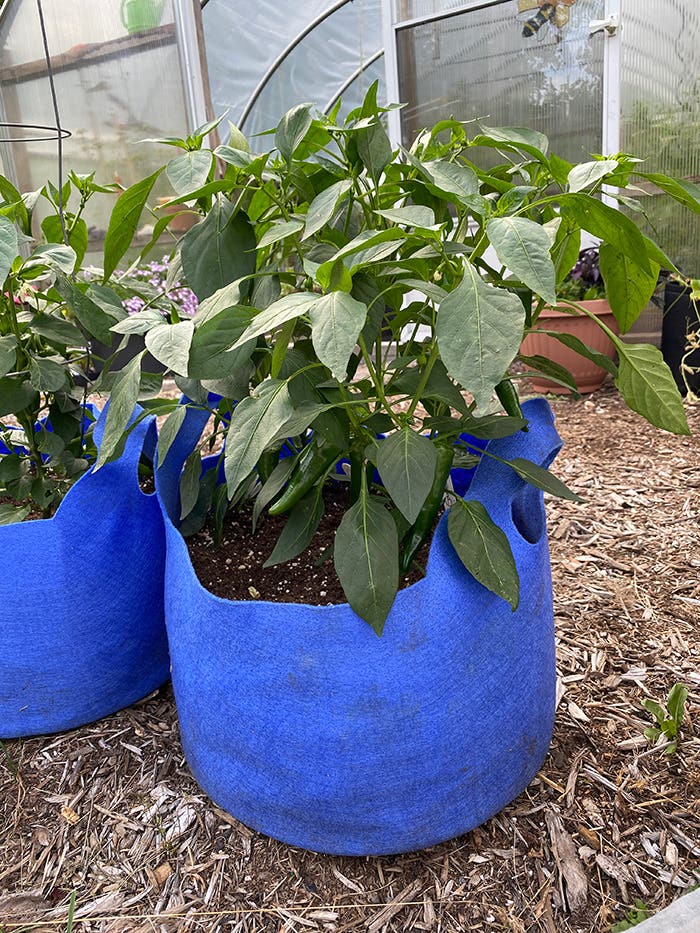
Among annual vegetables, tomatoes and peppers are the most popular compact edible plants, says Blazek, but you can also find cucumber, eggplant, pumpkin, kale, broccoli, cauliflower, herbs and melons.
Edible trees and shrubs, typically hogging the most space and light in the garden, are also shrinking. Gardeners will find dwarf and columnar apple trees, multi-fruit grafted trees and patio-ready berry plants.
Where space is at a premium, you want plants that will perform without sacrificing flavor. The most popular choices offer a good harvest, disease resistance and early ripening, says Branstrom, adding that lower maintenance is a bonus among certain compact varieties whose traditional counterparts are known for their frequent needs.
For example, unlike indeterminate tomatoes, whose nonstop growth demands staking, training and pruning, many compact cultivars behave more like determinate tomatoes, whose fixed mature size demands minimal intervention.
“Yield density” is another key feature—compact plants produce more on a smaller frame due to tighter internodes, the length of stem between growth points, explains Blazek. Compact edibles recognized by All-America Selections (AAS) must demonstrate a good yield (along with flavor, durability, aesthetic appeal and disease resistance). She calls out ‘Pot-a-peno’ and ‘Quickfire’ peppers that yield prolifically despite their smaller stature.
Compact edible plants from Bushel and Berry
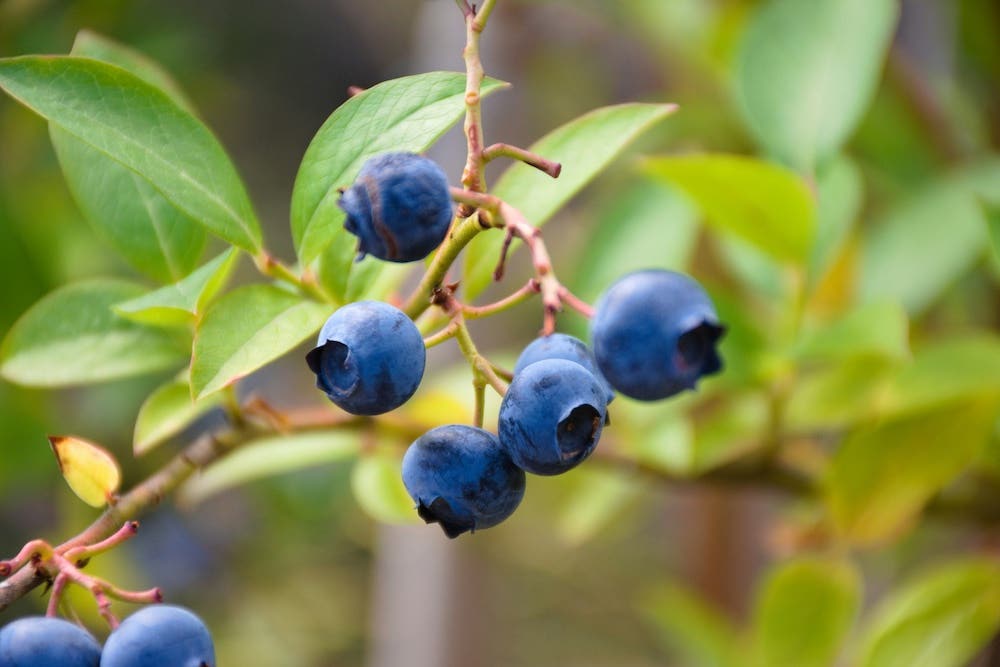
The Bushel and Berry series of fruiting plants—pioneered by the Brazelton family and first known as BrazelBerries—came as an early innovator in scaled-down food plants, particularly blueberries, like tiny Jelly Bean, which remains between one and two feet tall, along with the thornless blackberry Baby Cakes and raspberry Raspberry Shortcake. Now a part of Star Roses and Plants, the brand is expanding its portfolio with varieties suited to warmer climates, such as Poppin Passion passion fruit and Beau-Tea-Ful camellia. These cultivars don’t require chill hours (a certain period of low temperatures during dormancy), making them suitable for growers across diverse climates, says Kirsten Pullen, Woody Ornamental Portfolio Manager and Bushel and Berry Brand Manager.
She confirms an ongoing focus on this market, emphasizing the need for resilience against climatic variability—drought, temperature swings, excessive rainfall—as essential breeding goals. Selecting for low chill requirements not only accommodates unpredictable weather but may also enable multiple fruiting cycles per season.
Distinctive flavors are another priority; Bushel and Berry’s Peach Sorbet and Silver Dollar blueberries, for example, offer a tropical, pineapple-infused taste. Expect more unique flavor profiles in future releases.
And all told, the compact edible plant trend shows no signs of slowing down. Breeders continue to push the boundaries, creating plants that not only fit in small spaces but also thrive in diverse conditions—all while supplying us with exciting flavors.